

Analog Hobbies: Finding Satisfaction Away From Screens

Jesse Wisnewski

12
Leadership & Personal Growth
In 2016, journalist David Sax noticed something unexpected. Even as digital technology became part of everyday life, people were returning to vinyl records, film photography, and printed books. He explored that shift in The Revenge of Analog.
The appeal isn't that older tools are always better. It's that a book, a good pen, or a record on a turntable asks for something our screens frequently interrupt: attention. You have to participate instead of simply swipe.
I work in marketing and technology, and I'm building an AI company. I see the value of digital tools. I also want more time for pen and paper, physical books, vinyl, and collecting objects made with care. You don't need to reject technology to enjoy life away from it.
Here are 11 analog hobbies worth trying, why they appeal to people, and how to find one that fits your life.
In this article, I’ll dig into:
- What are analog hobbies?
- Why analog hobbies matter
- 11 analog hobbies worth trying
- How to get started
- Hobbies that don't have to be productive
- Frequently asked questions
Let's do this.
What Are Analog Hobbies?
Analog hobbies are activities you can enjoy mainly through physical objects, hands-on skills, or experiences that don't require a screen. They include reading physical books, writing in notebooks, cooking, gardening, drawing, playing music, walking outdoors, and collecting. (The irony of you reading this on your phone or computer isn’t lost on me.)
The word analog describes how you take part, not whether an activity is old-fashioned. Playing a board game with friends can be analog. Listening to an album on vinyl is analog, but so is cooking dinner or repairing a chair. Some activities cost almost nothing, and others demand equipment and practice.
You don't need to abandon your phone or turn every evening into a project. The point is to make room for something that holds your attention and gives you satisfaction beyond another notification.
Why Analog Hobbies Are Worth Your Time
There's real interest in working with our hands again.
In its 2026 Creativity Trend Report, Michaels reported that searches on its own retail site for analog hobbies such as knitting, painting, and journaling had climbed 136% over six months. That measures shoppers' interest, not proof that every American is putting down a phone.
Why does the idea resonate?
Convenience isn't always the same as satisfaction. Ordering dinner takes less effort than cooking it, but preparing a meal gives you something ordering cannot: the experience of making it. The same is true of learning a song, fixing a drawer, or filling a notebook with your own thoughts. The effort is part of the reward.
Research offers some encouragement, with limits.
A 2024 study of 7,182 adults in England found that participation in arts and crafts was associated with slightly higher life satisfaction, happiness, and a sense that life was worthwhile. A separate 2023 Nature Medicine study examined hobby participation among more than 93,000 adults aged 65 and older across 16 countries. Having a hobby was associated with several measures of greater well-being.
The better takeaway is practical. Interests outside work can give you something to learn, make, share, or simply enjoy. They don't have to produce income, status, or a better résumé.
11 Analog Hobbies Worth Trying
You don't need to try all 11. I'm not doing all of them myself. I'm focusing on writing with pen and paper, reading physical books, listening to vinyl, and collecting pens. I'm also interested in the history and skill associated with cigars, pipes, and bourbon.
Choose what appeals to you, not what looks impressive online. A good hobby is one you'll actually make time for.
1. Reading Physical Books
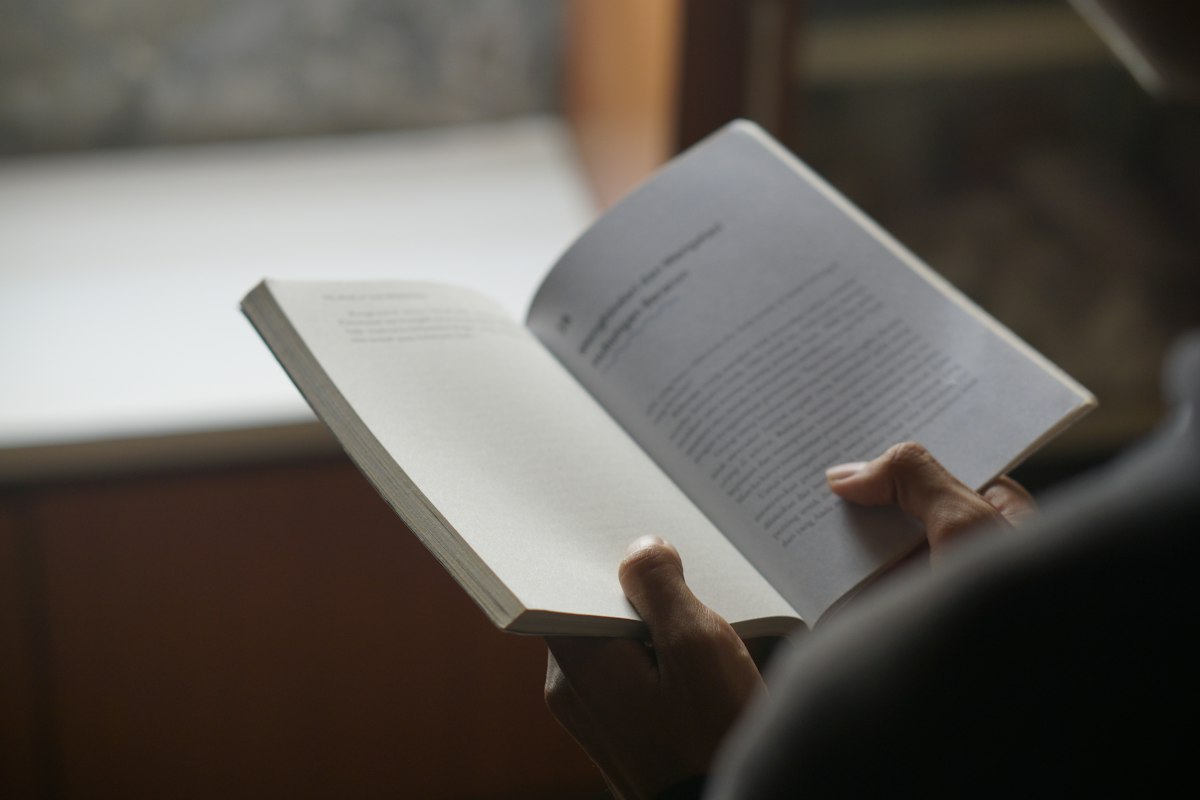
Photo: Yazid N / Unsplash
A physical book gives you one thing to focus on. No tabs, messages, or alerts compete for attention. You can underline a sentence, write in the margin, and come back to an idea that deserves a second look.
I've spent years reading for work and personal growth, and I co-wrote Read to Lead with Jeff Brown. But not every book needs to make you better at your job. Read a novel, a biography, or a history because you're interested.
Start here: Put a book beside your chair or bed. Read for 20 minutes instead of reaching for your phone. If you want a system for making room to read, see How to Read More Books.
2. Writing With Pen and Paper
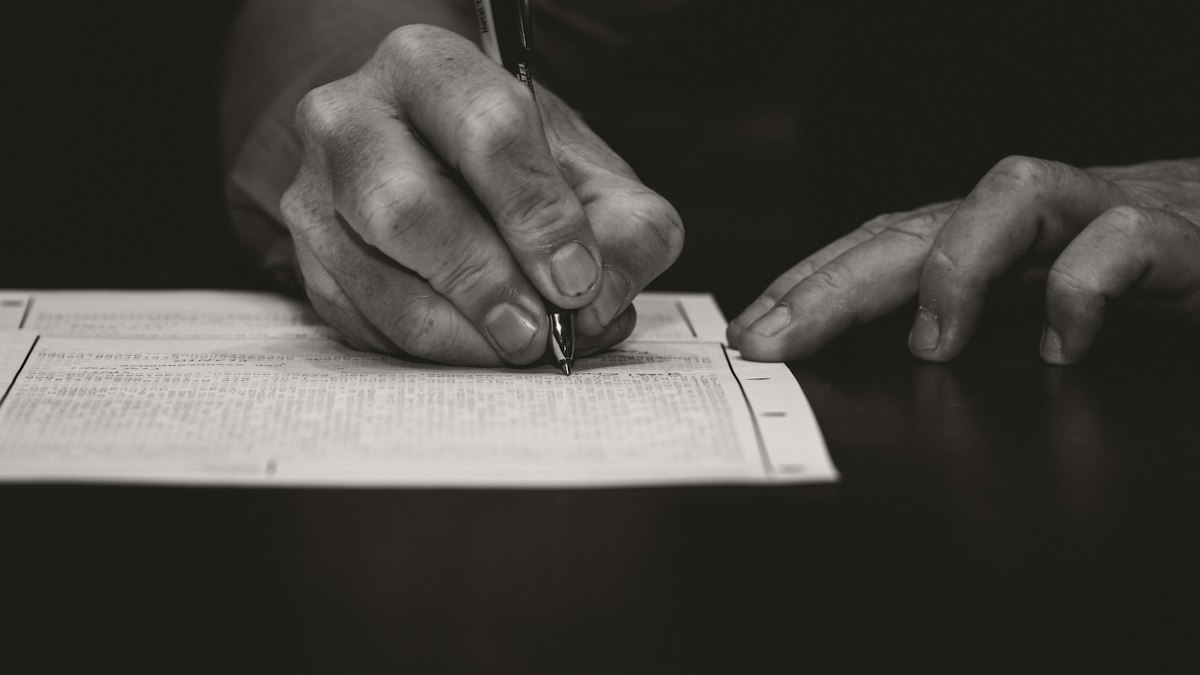
Photo: Shutter Speed / Unsplash
Handwriting slows you down. That's part of its value. A notebook gives you space to think, plan, sketch an idea, or capture a thought without opening another app.
I've been using pen and paper more deliberately, and I'm starting to explore higher-quality pens. I like the feel of a well-made tool, but the real purpose is to use it. A good pen should make you want to write.
Start here: Use one notebook to capture a thought or plan your day for ten minutes. Don't buy a dozen supplies first. My articles on pen and paper and notebook organization offer ways to begin.
3. Cooking and Grilling
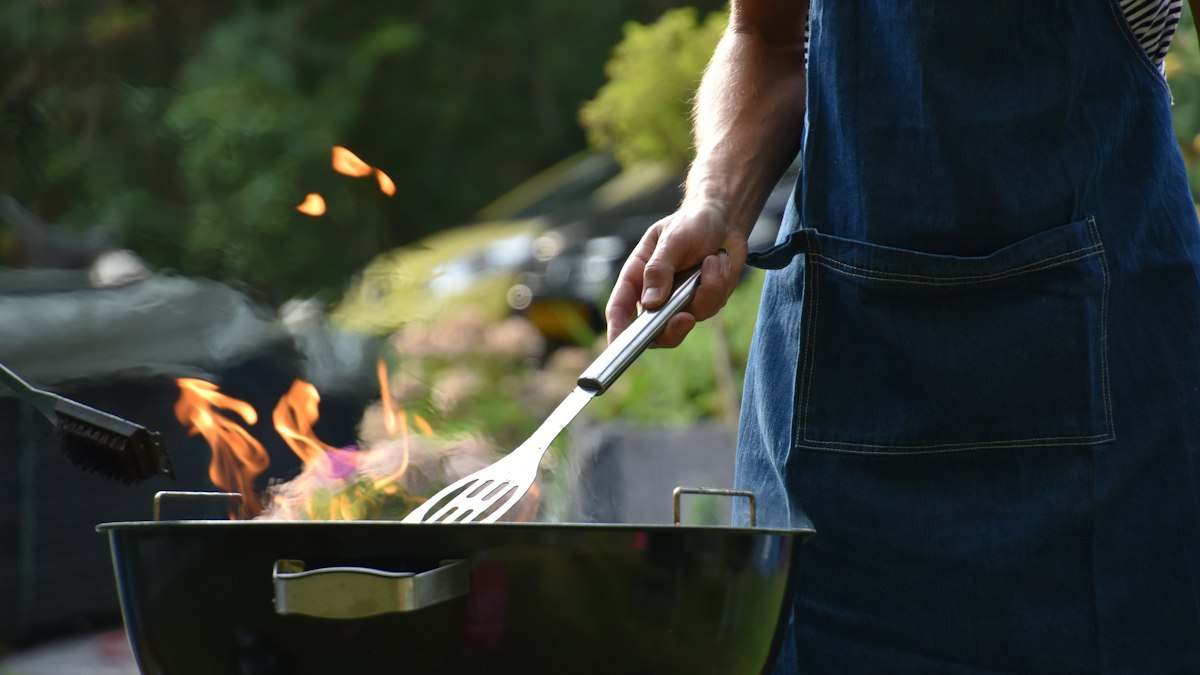
Photo: Vincent Keiman / Unsplash
Cooking requires attention to ingredients, heat, timing, and technique. Grilling adds the satisfaction of working outdoors and making something people can share.
You don't need to become a chef. Learn one method, repeat it, and improve. The finished meal matters, but so does the process, especially when it brings people around a table.
Start here: Choose one dinner to prepare yourself this week. Try a new cut, sauce, or technique. Put your phone away while you cook.
4. Listening to Vinyl Records
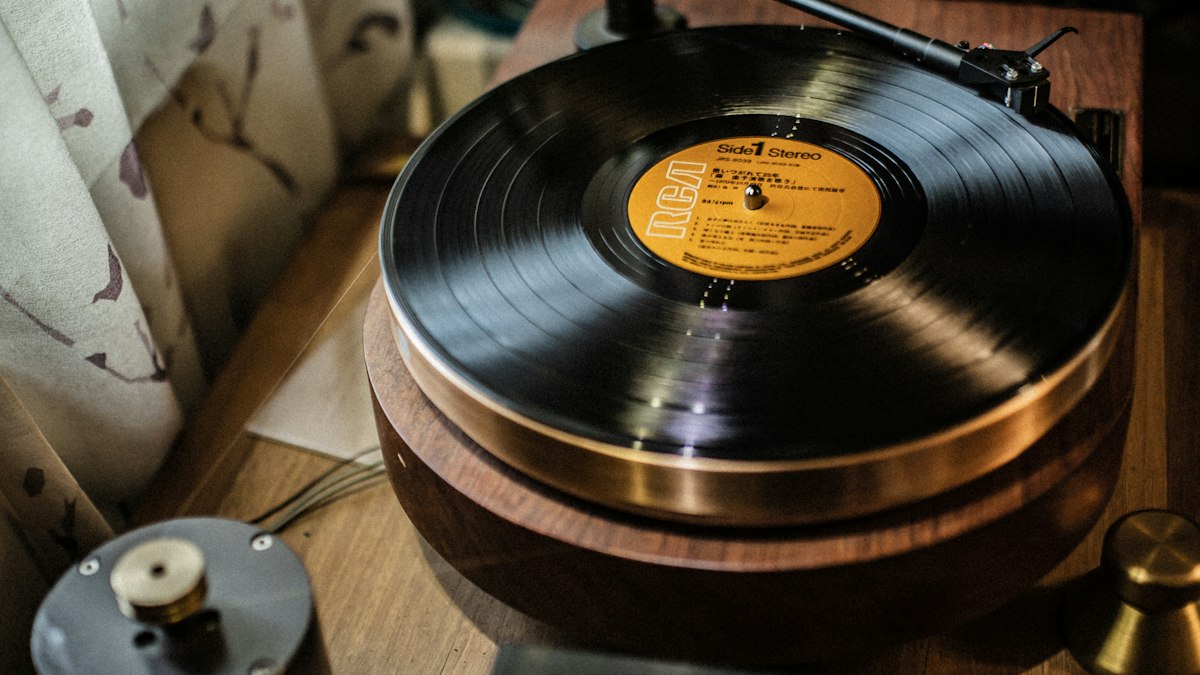
Photo: Mojor Zhu / Unsplash
Streaming gives you almost any song instantly.
Vinyl asks you to choose an album, put it on the turntable, and listen. You may pay more attention because the experience requires a little effort.
I'm interested in records for that reason.
The goal isn't to build the biggest collection or claim vinyl is always better than digital audio. It's to sit with an album instead of letting background music occupy the room.
Start here: Listen to one album from beginning to end without multitasking. You can start with a record, CD, or a digital album played without distractions.
5. Woodworking and Simple Repairs
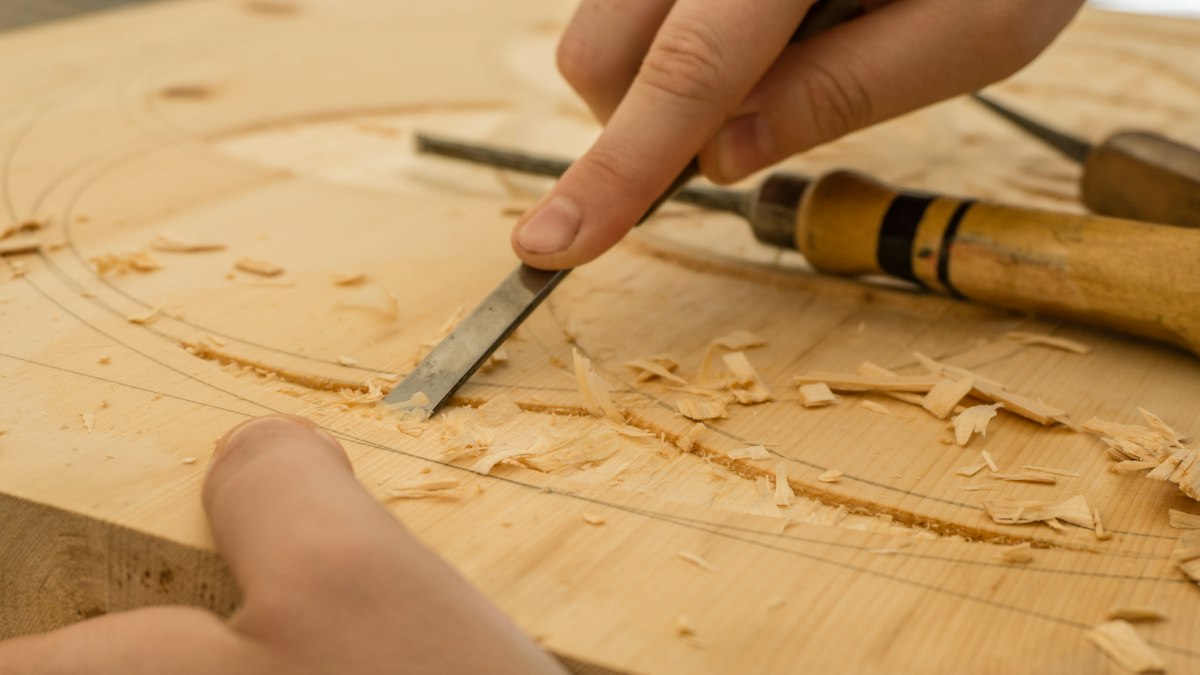
Photo: Dominik Scythe / Unsplash
There's satisfaction in repairing something that was broken or making something you can actually use. You measure, cut, fit pieces together, and learn from the mistakes you can't undo with a keyboard shortcut.
Woodworking can become an expensive hobby, but it doesn't have to start that way. Basic home repairs and small projects offer the same chance to work with your hands.
This is something I’d like to delve into one day. But the timing hasn’t worked out for me yet.
Start here: Repair a loose hinge or build a simple shelf. Learn the safety requirements before working with unfamiliar tools.
6. Gardening
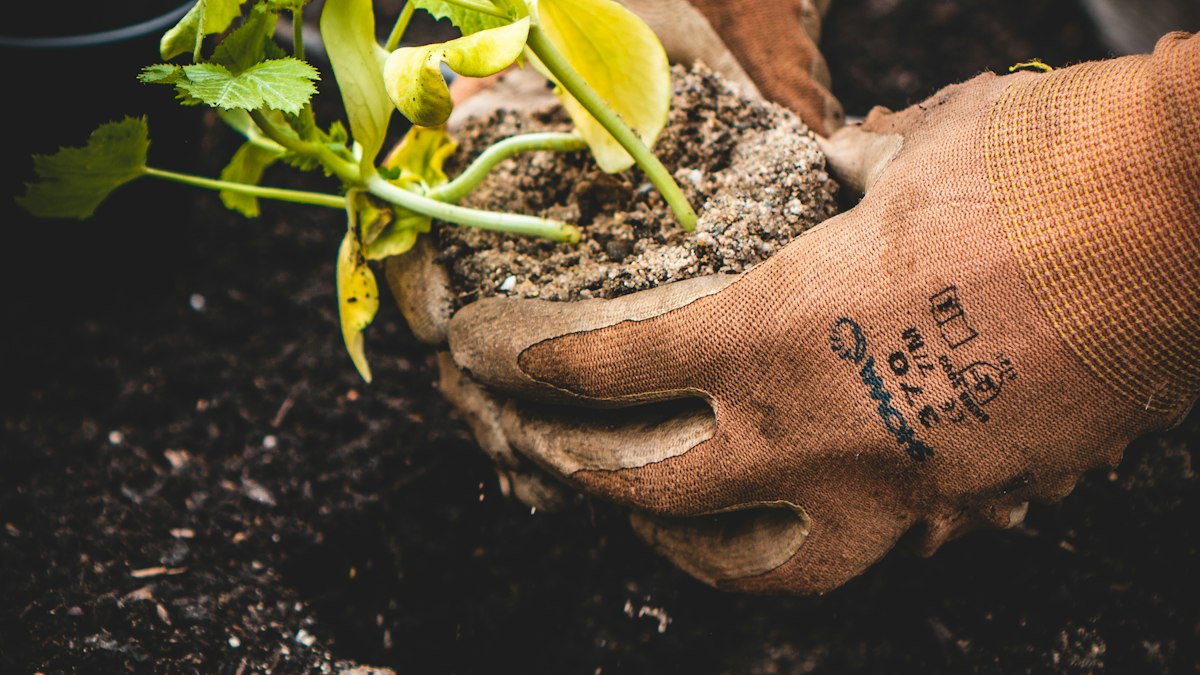
Photo: Jonathan Kemper / Unsplash
Gardening makes you work on a different schedule.
You prepare soil, plant seeds, water, and wait. You can do the right things and still discover that nature doesn't follow your calendar.
A small garden also gives you a reason to go outside, notice change, and take responsibility for something living. You don't need a large yard to enjoy it.
Start here: Grow one herb or vegetable in a container. Learn what it needs and care for it consistently.
7. Drawing and Sketching
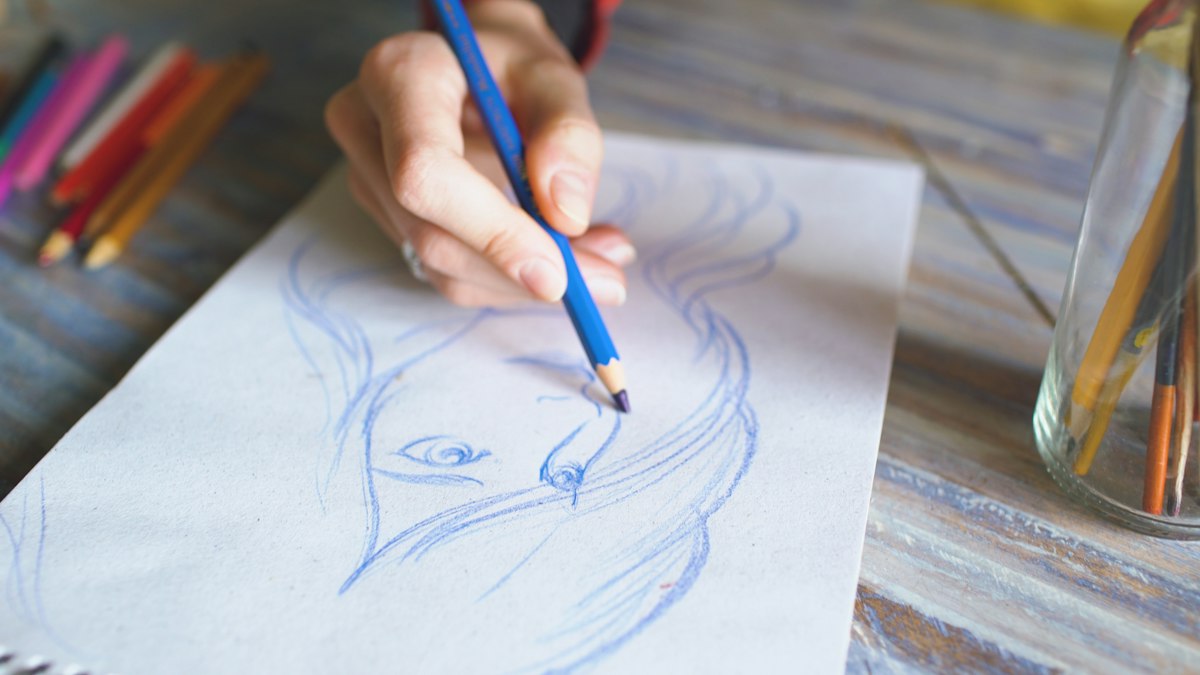
Photo: Vitaly Gariev / Unsplash
Drawing forces you to notice details.
The more carefully you look at an ordinary object, the more you see: edges, proportions, shadows, and shapes you normally overlook.
You don't have to be naturally gifted or produce something worth displaying. A pencil and paper are enough. The purpose is to practice looking and making.
Start here: Sketch a coffee mug, a building, or a tree for 15 minutes. Don't erase everything that looks wrong. Keep going.
8. Playing a Musical Instrument
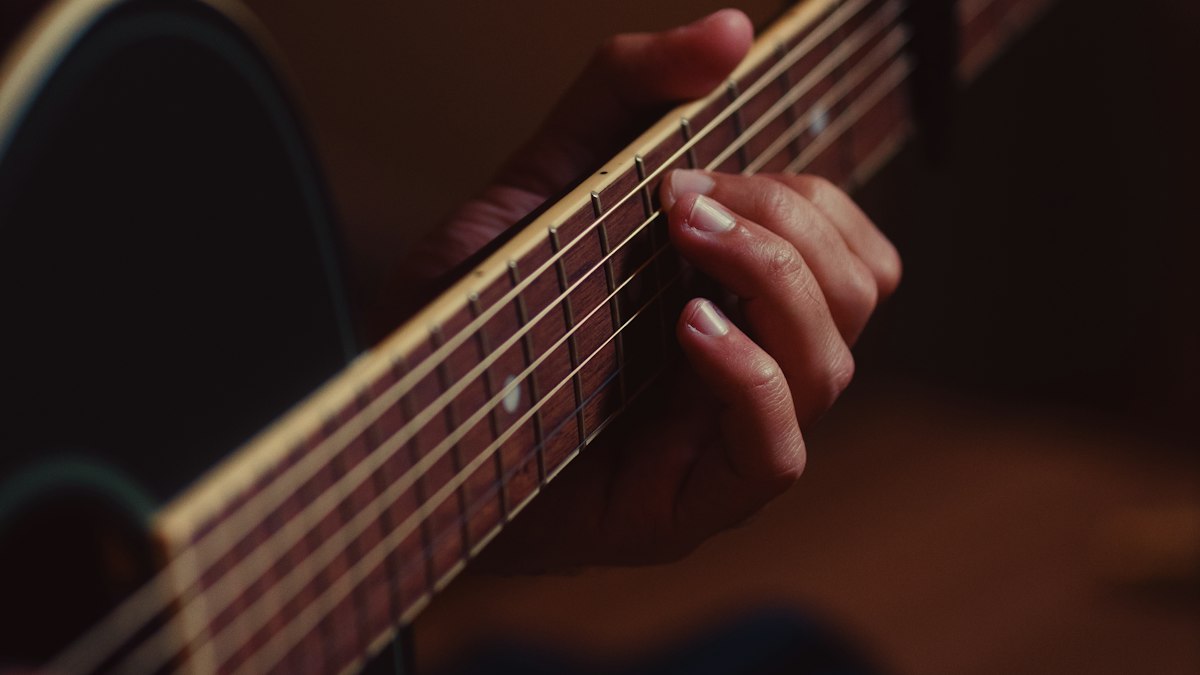
Photo: Peter Vimalis / Unsplash
Learning an instrument takes practice.
Your fingers make mistakes, rhythms don't come easily, and progress can feel slow. But that effort makes improvement satisfying.
Music also gives you something to share with other people. You can play at home, with friends, or as part of a church community without turning it into a performance career.
Start here: Choose a basic song and practice a few times a week. Learn to enjoy the work before worrying about being good.
9. Board Games and Card Games
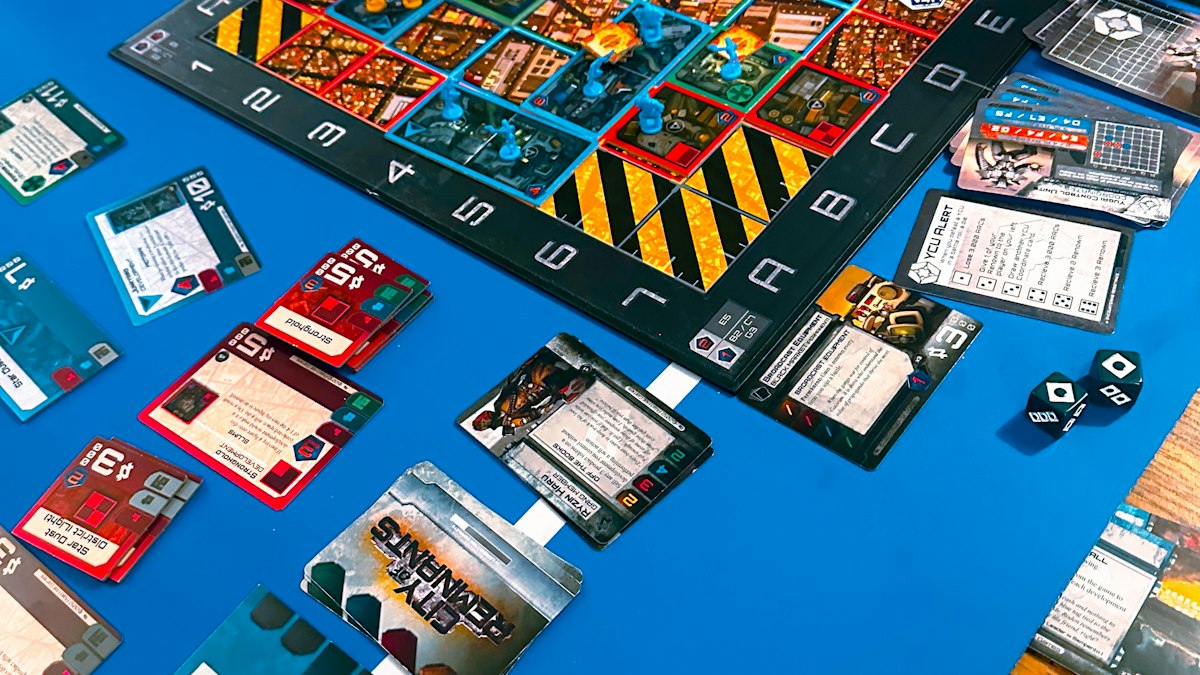
Photo: Katie Mont / Unsplash
Not every analog hobby happens alone.
Board games and cards give people a reason to gather around a table, talk, compete, laugh, and pay attention to one another.
Some games reward strategy. Others are almost entirely social. The value is often less about winning than about being together without each person disappearing into a separate screen.
Start here: Plan one game night with family or friends. Pick something everyone can learn in a few minutes.
10. Walking and Exploring Outdoors

Photo: Tom Jur / Unsplash
Walking may be the simplest activity on this list. You need little equipment, and you can do it nearly anywhere. It doesn't have to become a fitness target or another metric on a watch.
Walk through your neighborhood, visit a park, or take a well-known trail. Notice what changes from one week to the next. The goal is to be present, not to post a photo proving you went.
Start here: Take a 20-minute walk without headphones. See what you notice when you aren't listening to something else.
11. Collecting Physical Things
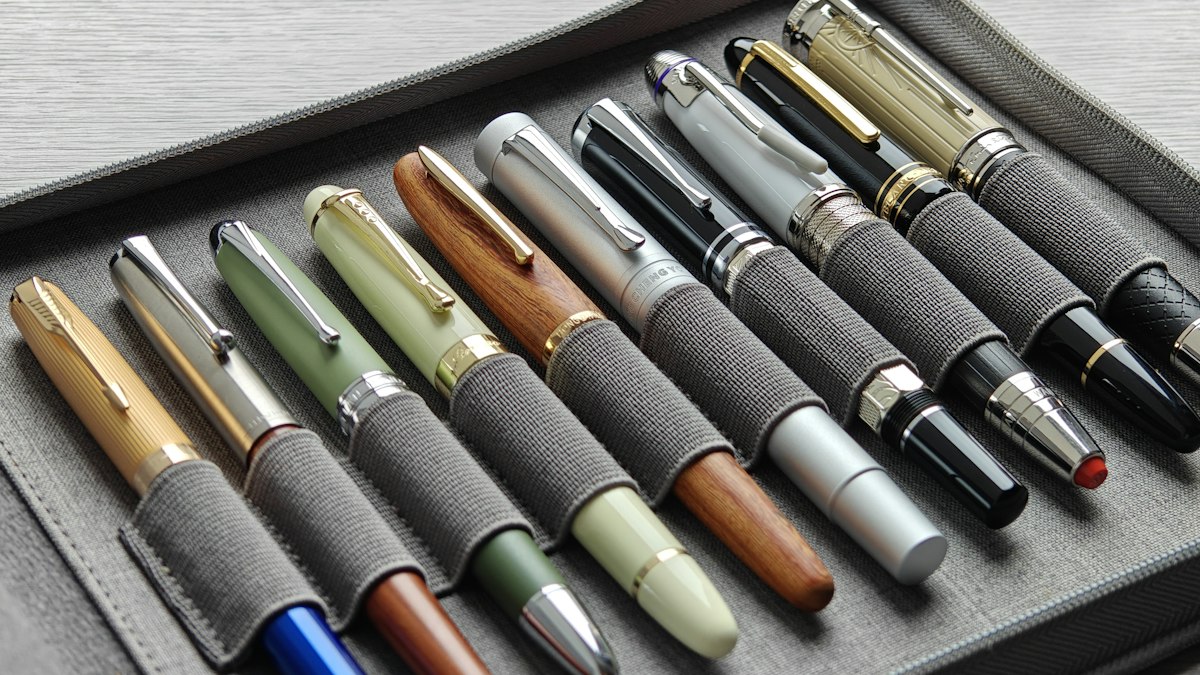
Photo: jason hu / Unsplash
Collecting counts as an analog hobby, too.
Pens, books, vinyl records, watches, coins, tools, and other objects carry stories about design, craft, and the people who made them. The best collections lead you into an interest instead of becoming an endless shopping list.
I'm just starting to collect pens, and I want to use what I own. Records are similar: the collection should lead back to the music. I'm also interested in the history and craftsmanship connected to cigars, pipes, and bourbon, including how physical objects and traditions are made and preserved.
Start here: Pick one category, learn about its history, and set a budget. Buy carefully. Use what makes sense to use. Don't let the next purchase become the point.
How to Start an Analog Hobby
The mistake is often thinking you need to buy equipment or rebuild your schedule before you can begin. You don't. Start with something that fits your interests and your current life.
- Choose something you enjoy doing.
Don't select a hobby because it looks good on social media. Would you still enjoy it if nobody saw the result?
- Keep the cost low.
Borrow whatever you can, use what you already own, and learn the basics before upgrading.
- Give it a small place in your week.
Try 20 or 30 minutes twice this week. Put your phone away for that time.
- Decide whether to continue.
After a couple of weeks, ask whether you looked forward to it. Keep what fits. Drop what doesn't.
For example, if handwriting interests you, buy or find one notebook and write regularly before collecting more pens. If music appeals to you, start listening to full albums before investing in a turntable. If woodworking sounds interesting, repair something simple before buying a workshop of tools.
You don't need eleven new commitments. You need one good activity you'll actually do.
You Don't Have to Make Every Hobby Productive
This is the temptation for people who spend most of their days building, leading, and solving problems. You start reading and immediately want a system for writing down every idea. You learn to cook and begin thinking about a side business. You buy a pen and start looking for the next one.
I understand the impulse.
Much of my professional life involves goals, growth, and technology. Those habits are useful at work. But a hobby doesn't need to increase your income, build an audience, or turn you into a better employee.
In Digital Minimalism, Cal Newport argues for cultivating satisfying activities outside constant digital stimulation. That's more useful than telling yourself to stop checking your phone while leaving nothing meaningful in its place. You need an activity worth your attention.
There's also a deeper reason not to treat enjoyment as wasted time. Ecclesiastes 3:12–13 describes finding enjoyment in ordinary work and life as a gift from God. The passage isn't permission to neglect responsibility. It reminds us that we don't control everything and that we can receive good things with gratitude.
You can enjoy music, a meal, a book, or an evening with friends without turning it into an achievement. Rest and work both matter. So does judgment: digital hobbies can be worthwhile, and physical hobbies can become expensive or consuming. The real question is what deserves your attention.
Make Room for Something You Enjoy
Technology makes much of life easier. I rely on it for work and see what it can make possible. But greater convenience doesn't always mean greater satisfaction.
A physical book, notebook, record, garden, or simple repair gives you something different: the chance to concentrate, practice, and enjoy a result you can hold or share. You don't need to master every skill or collect every object.
Pick one activity. Give it some time this week. Let it be enough.
You don't have to document it, monetize it, or turn it into content. You can simply enjoy it.
Frequently Asked Questions About Analog Hobbies
What is the difference between analog and digital hobbies?
Analog hobbies rely mainly on physical materials, hands-on skills, or real-world experiences. Digital hobbies use screens or software as a central part of the activity. Neither category is automatically better. What matters is how you spend your attention and whether the experience adds something worthwhile to your life.
What are some inexpensive analog hobbies?
Borrowing library books, writing in a notebook, walking, sketching with a pencil, playing cards, and growing an herb in a container are low-cost options. Start with what you already own before buying equipment.
Do analog hobbies improve mental health?
Some studies find associations between hobby participation and greater life satisfaction or happiness. They do not prove that every analog hobby improves mental health, and effects vary by activity and population. Hobbies can be valuable, but they are not substitutes for professional care when it's needed.
Does collecting count as an analog hobby?
Yes. Collecting pens, records, books, tools, and other physical objects can involve learning, craftsmanship, and enjoyment away from screens. It's still worth setting a budget and avoiding purchases simply for status.


You may also like




Sign up for our newsletter
Fresh news, the best e-books and many more

An error has occurred somewhere and it is not possible to submit the form. Please try again later or contact us.

