

Best Books for Entrepreneurs: Books Worth Reading and Rereading

Jesse Wisnewski

31

Marketing & Growth
On December 17, 1903, Orville and Wilbur Wright accomplished something extraordinary. Their aircraft left the ground near Kitty Hawk, North Carolina, and completed the first successful powered, controlled flight. It lasted just twelve seconds, but those seconds changed the world.
What’s remarkable isn’t simply what the brothers accomplished. It’s how they approached the problem. They operated a bicycle business, studied earlier attempts at flight, and challenged assumptions about what made flying possible. Then they developed experiments to test their ideas and learn from their mistakes.
They didn’t have the resources of a major industrial company or the credentials of established scientists. They had curiosity, discipline, and a willingness to keep learning.
David McCullough tells their story in The Wright Brothers, one of the biographies I’ve read and would recommend to entrepreneurs. It also illustrates why I believe some of the best business lessons come from books that aren’t traditional business guides.
You can learn how to build a business from practical books. But biographies and history show you what happens when people actually try. They reveal financial pressures, difficult decisions, personal relationships, and the circumstances that shape companies. They also reveal something many business books overlook.
Successful entrepreneurs aren’t always admirable leaders. Their accomplishments can be extraordinary while their decisions create serious consequences for employees, competitors, families, or communities. That’s worth understanding.
I’ve spent much of my professional life reading books about business, leadership, history, and personal growth. I also co-wrote Read to Lead with Jeff Brown to help people get more from what they read.
As I’ve worked in B2B software, nonprofit leadership, and now entrepreneurship with EverRaise, I’ve increasingly appreciated learning from people who have already faced difficult business decisions.
This collection brings together books I’ve read and others I’ve identified through my broader reading and book-buying history. I’ll distinguish confirmed personal reads from additional selections rather than assume that purchasing a book means finishing it.
Some explain how to start a company. Others examine how businesses grow, how leaders make decisions, and how technological change reshapes entire industries. A significant portion focuses on founders themselves. Because if you want to understand entrepreneurship, I think you need to understand entrepreneurs.
What Are the Best Books for Entrepreneurs?
The best books for entrepreneurs help you answer important questions about starting, growing, and leading a business. They cover more than business plans, fundraising, and marketing. They help you understand customers, competitive advantage, leadership, money, decision-making, innovation, and the responsibilities that accompany success.
Here’s where I’d begin, depending on the challenge you’re facing.
| If you want to understand… | Start with |
|---|---|
| The uncertainty of building a company | Shoe Dog |
| How retailers build around customers | Sam Walton: Made in America and The Everything Store |
| Competition, power, and industrial growth | Titan and The Tycoons |
| Innovation and experimentation | The Wright Brothers and The Idea Factory |
| Ambitious technology companies | Elon Musk by Ashlee Vance |
| The dangers of misleading investors and customers | Bad Blood |
| Whether customers need your idea | The Mom Test and The Lean Startup |
| Finding a repeatable acquisition strategy | Traction |
| Building competitive advantage | 7 Powers |
| Leading through difficult decisions | The Hard Thing About Hard Things |
| Building a company beyond yourself | Built to Sell |
| The deeper purpose of business | Every Good Endeavor |
You don’t need to read every book on this list. I also maintain a separate guide to the best marketing books. And you shouldn’t necessarily start with the most popular title. Choose books that address the questions you’re wrestling with. Then look for opportunities to apply what you learn.
Part 1: Founder Memoirs and Biographies I’ve Read
These are the books I’d put near the front of the article. They cover different industries and historical periods. Some examine companies that changed the world. Others focus on individuals who built something remarkable despite difficult circumstances.
What connects them is their ability to show entrepreneurship beyond the usual advice about growth and success.
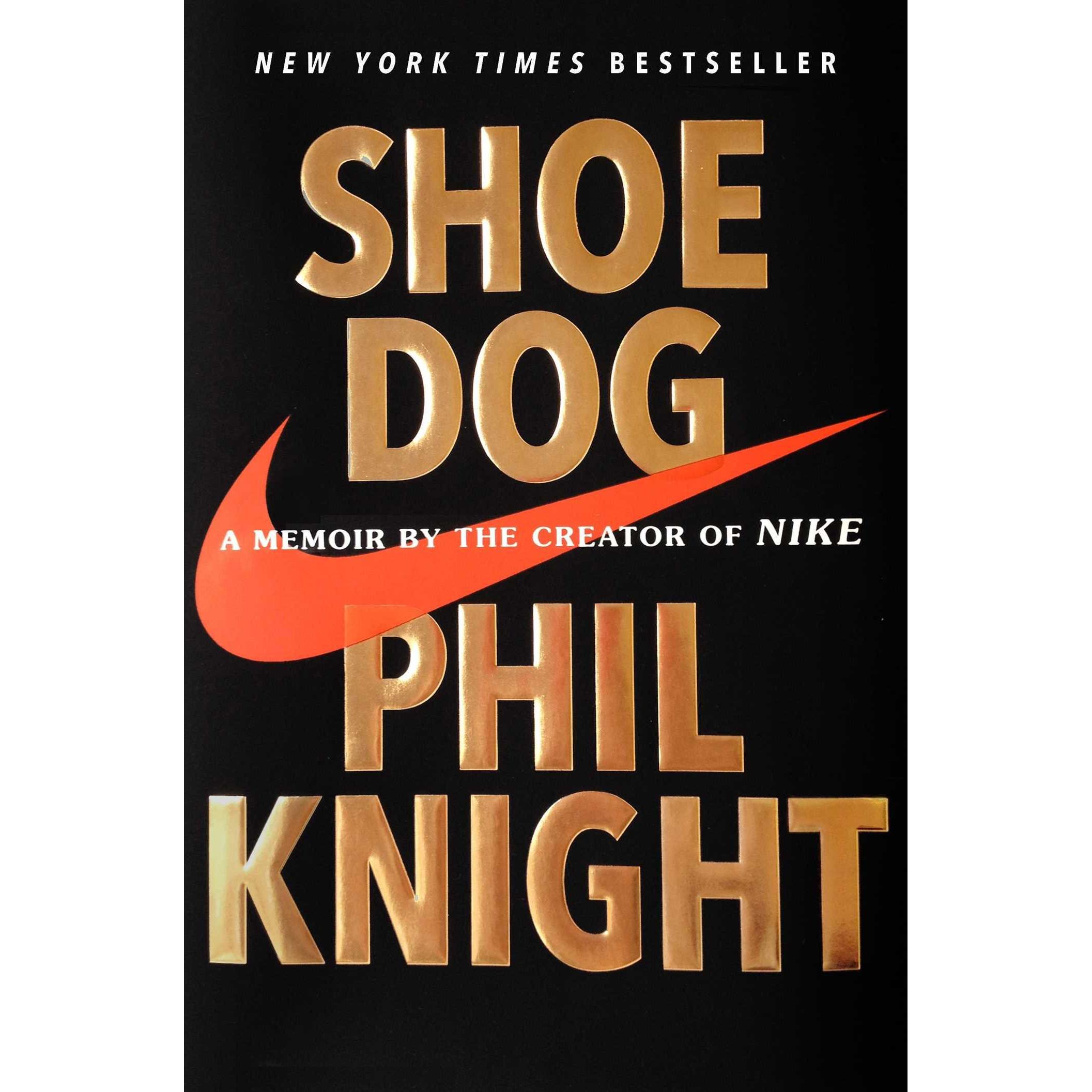
1. Shoe Dog by Phil Knight
Best for: Understanding uncertainty, persistence, and the financial realities of entrepreneurship.
Shoe Dog is Phil Knight’s memoir about building Nike. If you only know Nike as one of the world’s most recognizable brands, you might assume the company followed a straightforward path to success. It didn’t.
Knight describes years of uncertainty, financial pressure, supplier relationships, and competitive challenges. He also explains how difficult it was to keep the business moving forward.
One reason the book works so well is that it doesn’t make entrepreneurship look easy. You see how dependent a growing company can become on a few relationships, favorable circumstances, and decisions that could easily go wrong.
Knight’s story also challenges the idea that successful entrepreneurs always possess complete confidence in their plans. They don’t. Sometimes they act because they believe the opportunity is worth pursuing, even when the outcome remains uncertain.
What you can learn: Building a company requires more than a good idea. You need resilience, financial discipline, dependable relationships, and a willingness to keep learning.
Question to consider: Are you building a business with enough financial flexibility to survive when things don’t go according to plan?
2. The Everything Store by Brad Stone

Best for: Understanding customer obsession, long-term thinking, and operational excellence.
Brad Stone’s The Everything Store examines how Jeff Bezos built Amazon from an online bookseller into a company that transformed retail and technology. This is one of the business histories I’ve read, and its lessons extend well beyond e-commerce.
Amazon didn’t become influential simply by selling products online. Bezos pursued a particular understanding of what customers valued, including selection, convenience, and price. The company organized its technology, operations, and long-term investments around delivering those benefits. But there’s another side to the story.
Building an organization around relentless execution can produce extraordinary results. It can also create difficult expectations for employees and leaders.
That’s why I wouldn’t treat Amazon as a model to copy without question. Study the customer focus and operational discipline, but examine the consequences of the culture that supports them.
What you can learn: Competitive advantages become more powerful when your business model, operations, and customer experience reinforce one another.
Question to consider: What would your company look like if you built every major decision around the problem your customers most need solved?
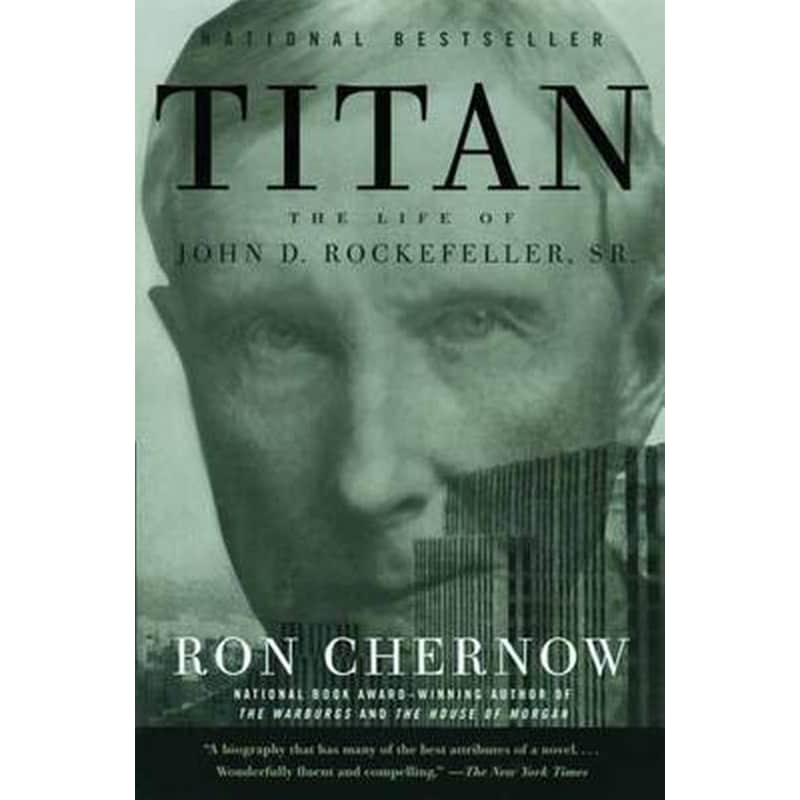
3. Titan by Ron Chernow
Best for: Understanding industrial capitalism, competitive power, wealth, and responsibility.
Titan is Ron Chernow’s biography of John D. Rockefeller, who helped build Standard Oil into one of the most powerful businesses in American history.
His story reveals an entrepreneur with extraordinary organizational ability, financial discipline, and an intense interest in improving efficiency. But it also reveals the darker consequences of economic concentration.
Rockefeller’s competitive methods raised serious questions about monopoly power, fairness, and the responsibilities that come with controlling an industry.
What makes Chernow’s biography especially interesting is that Rockefeller was also deeply religious and became a major philanthropist. Those aspects of his life don’t eliminate the ethical questions surrounding Standard Oil.
Instead, they make the story more complicated and useful. I think entrepreneurs need to wrestle with those complications. You can build a highly successful company while making decisions that deserve criticism.
What you can learn: Business success and moral responsibility aren’t identical. Financial achievement doesn’t settle questions about how wealth was created or how power was exercised.
Question to consider: How will you measure success beyond revenue, market share, and personal wealth?
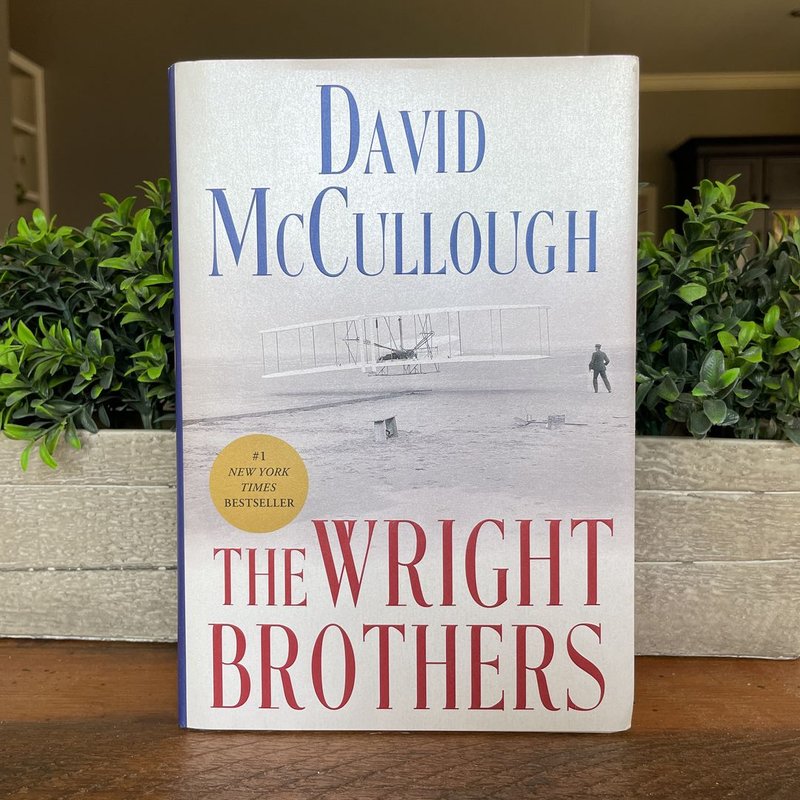
4. The Wright Brothers by David McCullough
Best for: Learning how disciplined experimentation can produce extraordinary innovation.
The Wright Brothers tells the story of Wilbur and Orville Wright and their pursuit of powered flight. This is one of my favorite types of biography. It explores people who changed the world through painstaking work rather than extraordinary resources.
The brothers studied previous attempts at flight, identified gaps in existing knowledge, and developed experiments to test their ideas. Their progress wasn’t inevitable. They faced failed experiments, limited resources, physical danger, and skepticism. But they continued learning.
For entrepreneurs, the lesson isn’t simply to work harder. It’s to approach difficult problems with curiosity, careful observation, and a willingness to challenge assumptions.
What you can learn: Innovation often depends on identifying the right problem and developing better ways to test possible solutions.
Question to consider: Are you making decisions based on what you’ve actually learned or on assumptions you’ve never seriously tested?
5. Steve Jobs by Walter Isaacson

Best for: Understanding product vision, design, leadership, and the personal costs of ambition.
Walter Isaacson’s Steve Jobs examines the life of Apple’s cofounder through extensive interviews and research.
Jobs had an unusual ability to imagine how technology could become more useful and desirable. He understood that customers didn’t always know what new products were possible.
His attention to design, simplicity, and the complete customer experience helped shape some of the most influential consumer technologies of the last several decades. But Jobs also provides a cautionary example. His intensity, perfectionism, and treatment of other people could create serious difficulties for those around him.
You don’t have to excuse those qualities to appreciate what he accomplished. In fact, that’s part of the value of reading biographies. You can admire someone’s creativity without adopting everything about their character or leadership.
What you can learn: Exceptional product vision matters, but the ability to create valuable products doesn’t automatically make someone a good leader.
Question to consider: Which qualities of a successful founder are worth developing, and which should you deliberately avoid?
6. Elon Musk: Tesla, SpaceX, and the Quest for a Fantastic Future by Ashlee Vance

Best for: Understanding ambitious engineering projects, first-principles thinking, and extreme entrepreneurial risk.
Ashlee Vance’s Elon Musk examines Musk’s early life and the development of several companies, including Tesla and SpaceX. I’ve read this biography, and it belongs alongside the histories of earlier industrialists.
Musk pursued opportunities that many people considered unrealistic. That was especially true in industries requiring tremendous capital, technical knowledge, and organizational discipline.
The book recounts the financial crises, technical challenges, and difficult decisions involved in building those businesses.
One lesson worth exploring is Musk’s willingness to question assumptions that others accepted. Rather than starting with established industry practices, he often pushed teams to reconsider the underlying engineering and economic constraints.
That approach can produce innovation. But there are trade-offs. Extreme ambition and relentless work can place extraordinary pressure on employees, relationships, and the founder himself. You should examine those consequences as carefully as the accomplishments.
What you can learn: Challenging fundamental assumptions can open opportunities others overlook. But visionary thinking doesn’t eliminate the need for judgment, accountability, and responsible leadership.
Question to consider: Which assumptions about your industry would you challenge if you had to rethink your business from the ground up?
Part 2: More Founder Biographies and Business Histories Worth Considering
The next selections extend the reading list across retail, transportation, manufacturing, finance, technology, and startup leadership. They also include titles from my broader book-order history. I’ve selected them for their relevance without presenting every one as a confirmed completed read.
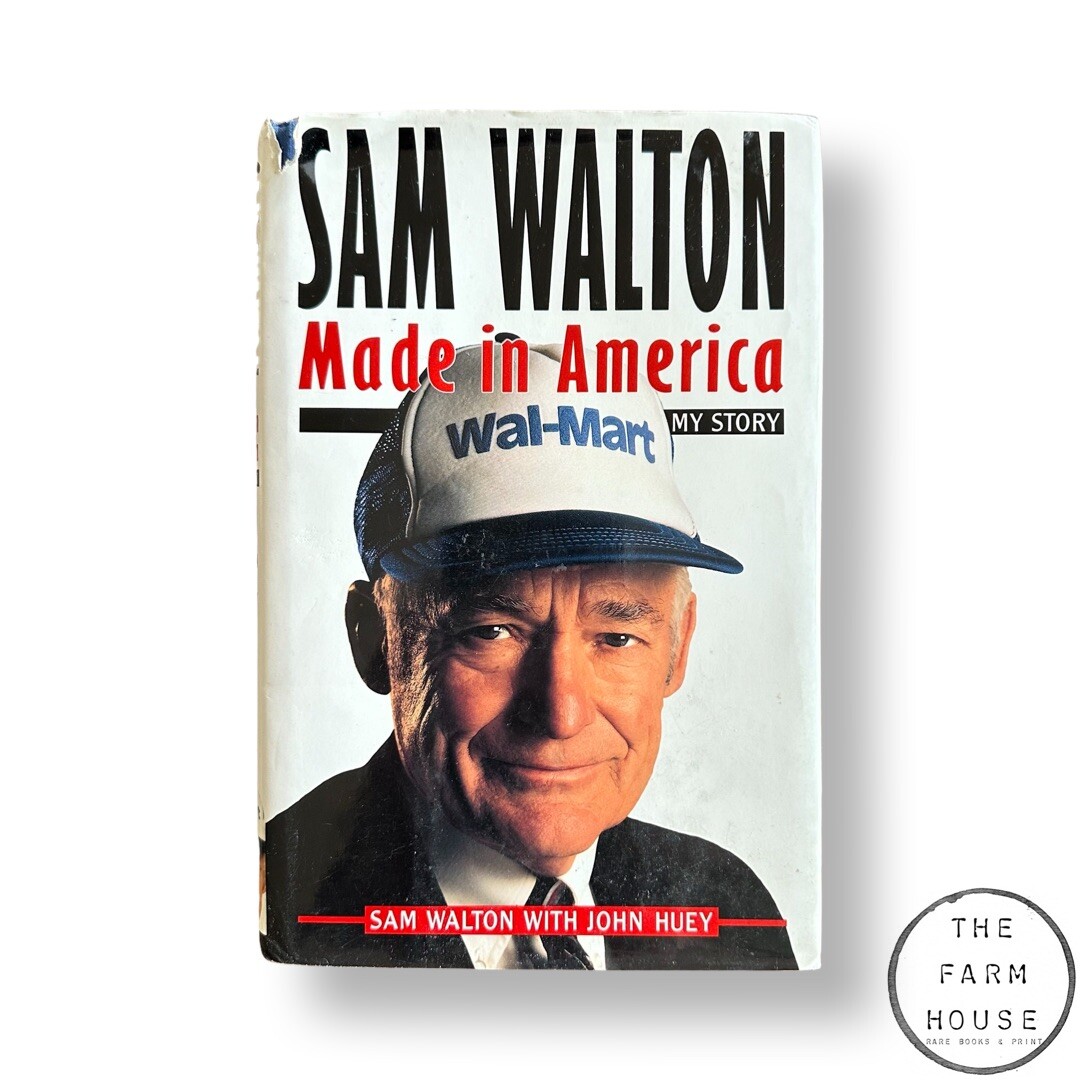
7. Sam Walton: Made in America by Sam Walton with John Huey
Best for: Learning how customer focus and operational discipline can create a retail advantage.
Sam Walton: Made in America describes Walton’s experience building Walmart. First published in 1992, the memoir emphasizes learning from competitors, staying close to customers, controlling costs, and improving retail operations.
I’d pair this book with The Everything Store. Walton and Bezos built their companies in different eras, but both recognized that customers valued practical benefits, especially price, convenience, and selection.
The comparison is useful because it demonstrates how similar principles can support different business models. It also invites questions about how large retailers affect suppliers, employees, and communities.
Lesson: Start with a clear understanding of what customers value, then design the business to deliver it consistently.
8. The Fish That Ate the Whale by Rich Cohen
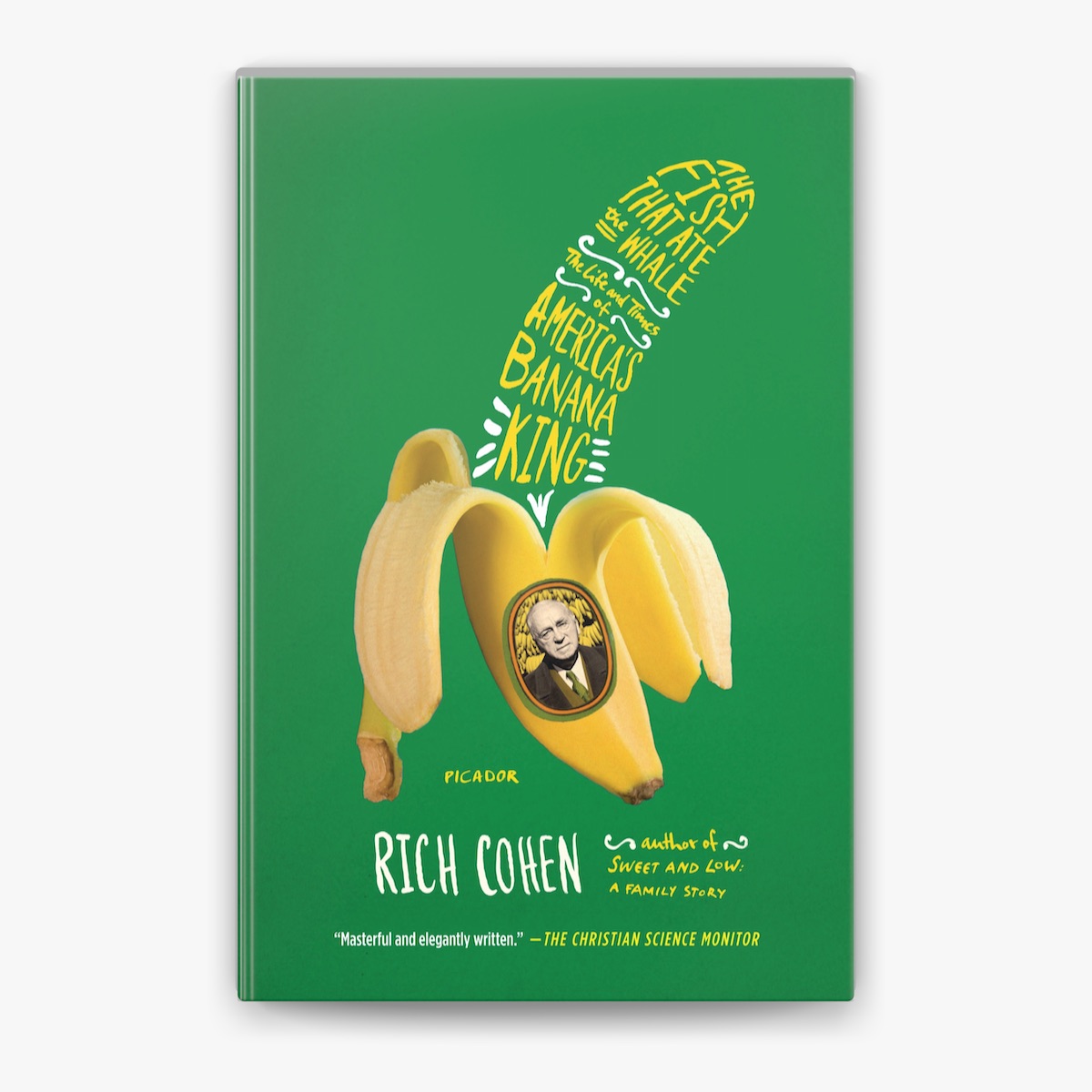
Best for: Understanding unconventional entrepreneurship, competitive advantage, and the consequences of power.
Rich Cohen’s The Fish That Ate the Whale tells the story of Samuel Zemurray. Zemurray began selling bananas and eventually became one of the most powerful figures in the American fruit industry.
His rise illustrates opportunity recognition, ambition, persistence, and aggressive competition. But the story also involves corporate interference in Central American politics and the consequences of powerful businesses operating across national borders.
This isn’t simply an inspiring founder story. It’s a reminder that business decisions can affect people far beyond a company’s customers and shareholders.
Lesson: Study how entrepreneurs create value, but also examine the broader consequences of their methods.
9. The Idea Factory by Jon Gertner

Best for: Understanding innovation inside large organizations.
The Idea Factory explores the history of Bell Labs, one of the most important research organizations of the twentieth century. Researchers at Bell Labs contributed to developments that helped shape modern communications and computing.
The book's value lies in its focus on the conditions that enabled innovation. It wasn’t simply a collection of brilliant individuals working independently.
Bell Labs combined technical expertise, collaboration, organizational support, and long-term research. That provides a useful contrast to startup advice that treats speed as the only measure of progress.
Lesson: Some breakthroughs require sustained investment, collaboration, and patience rather than constant short-term optimization.
10. The Tycoons by Charles R. Morris
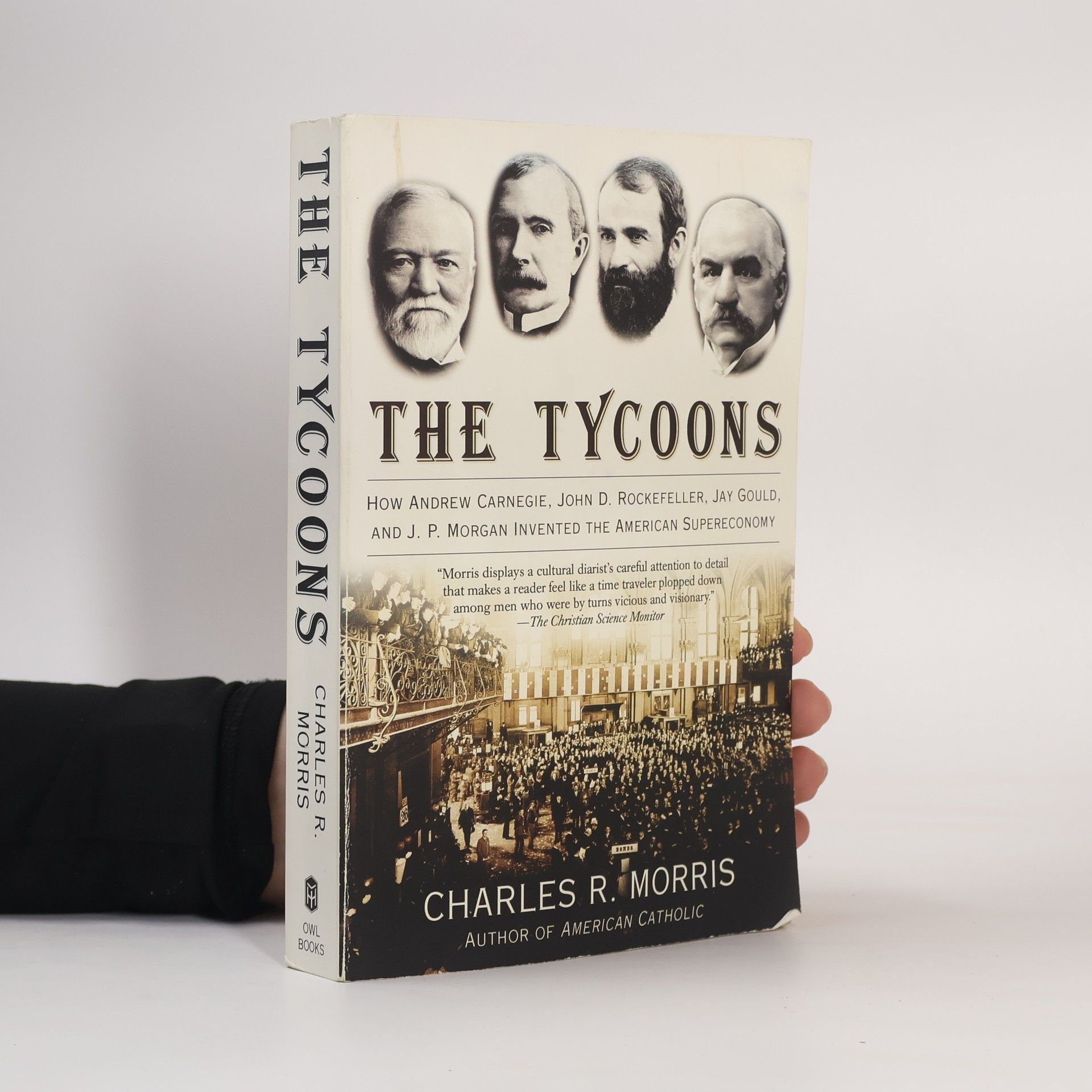
Best for: Understanding the development of modern American business.
The Tycoons examines Andrew Carnegie, John D. Rockefeller, Jay Gould, and J. P. Morgan. Morris shows how these figures helped shape American industry, finance, transportation, and economic growth. The book offers a broader view of entrepreneurship than stories about individual startups.
You see how capital, infrastructure, technology, regulation, and competition interact. You also confront the inequalities and conflicts that accompanied rapid industrial expansion.
Lesson: Businesses don’t operate in isolation. Their growth shapes the larger economic and social systems around them.
11. The First Tycoon by T. J. Stiles
Best for: Understanding competition, transportation, and the rise of modern corporations.
The First Tycoon is a Pulitzer Prize-winning biography of Cornelius Vanderbilt. Vanderbilt built enormous wealth through shipping and railroads during a period of profound economic change.
His story shows how entrepreneurs can recognize opportunities created by new technologies and changing markets. But it also raises questions about wealth concentration and the relationship between large companies and government.
Lesson: Major technological shifts create opportunities, but long-term success depends on understanding the economic system developing around those technologies.
12. Lost and Founder by Rand Fishkin
Best for: Understanding the reality behind modern startup culture.
Rand Fishkin’s Lost and Founder recounts his experience building Moz. Unlike many polished startup stories, Fishkin discusses difficult finances, funding decisions, leadership challenges, and the emotional pressures of entrepreneurship.
It’s especially relevant when you’re building a software company and evaluating whether traditional venture capital expectations align with your goals.
Lesson: A company’s growth rate isn’t the only measure of whether the business is healthy or worth building.
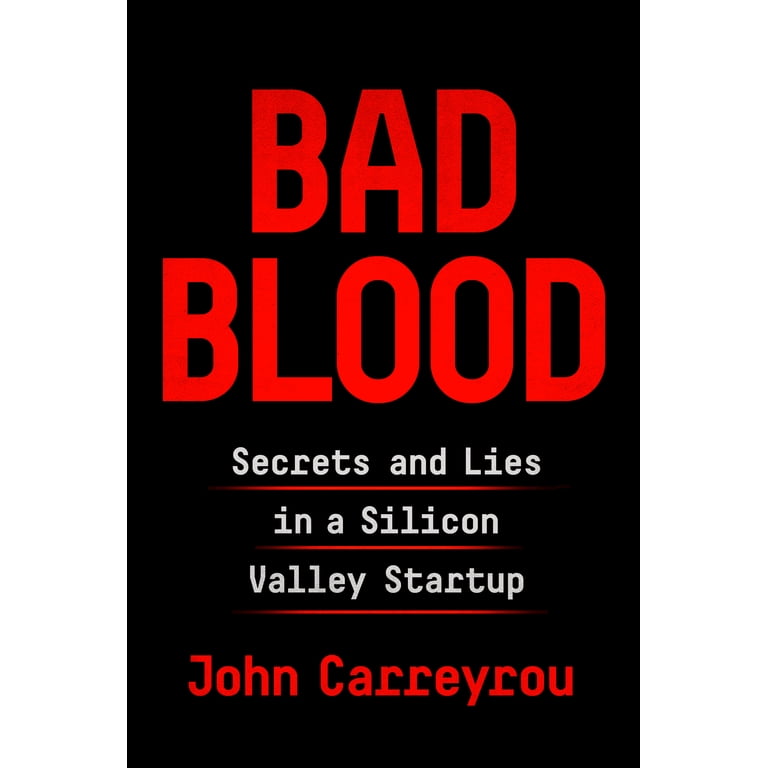
13. Bad Blood by John Carreyrou
Best for: Understanding what happens when ambition loses its moral boundaries.
In Bad Blood, investigative journalist John Carreyrou examines Theranos and its founder, Elizabeth Holmes. The company attracted substantial investment and public attention while claiming technology that could not perform as promised.
The consequences extended beyond investor losses. They affected patients and employees and exposed serious failures of corporate accountability.
I would pair this book with Ben Horowitz’s The Hard Thing About Hard Things. Both involve difficult circumstances and executive pressure, but they illustrate an essential distinction. Facing hard truths is part of leadership. Hiding them is a leadership failure.
Lesson: You cannot build a trustworthy business on claims you know you cannot support.
14. How I Built This by Guy Raz

Best for: Learning from founders across different industries.
How I Built This draws on Guy Raz’s interviews with entrepreneurs who built recognizable companies. The stories demonstrate that successful businesses don’t follow one universal formula. Some founders identify overlooked problems, while others improve existing products or recognize opportunities in established markets.
The book is particularly useful for understanding how personal experiences, timing, relationships, and chance influence business outcomes.
But successful founder stories come with a limitation. We usually hear from people whose companies survived, so avoid assuming every successful decision is a universally reliable strategy.
Lesson: Look for principles across different founder stories rather than copying one company’s approach.
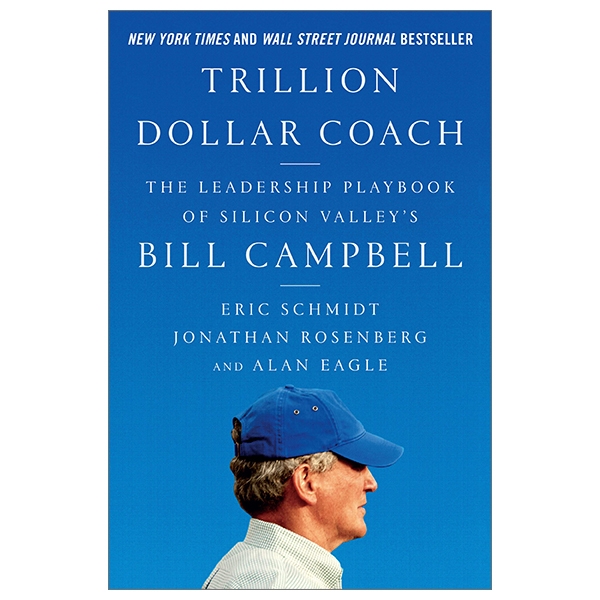
15. Trillion Dollar Coach by Eric Schmidt, Jonathan Rosenberg, and Alan Eagle
Best for: Understanding leadership, coaching, and relationships.
Trillion Dollar Coach examines the influence of Bill Campbell on leaders at companies such as Google, Apple, and Intuit.
Campbell’s example challenges the idea that effective leadership is primarily about strategy, intelligence, or technical expertise. It also involves trust, listening, personal development, and helping other people succeed.
For founders who increasingly manage leaders rather than perform every task themselves, that’s worth considering.
Lesson: Building a great company requires more than making good decisions yourself. You need to develop other people who can make good decisions.
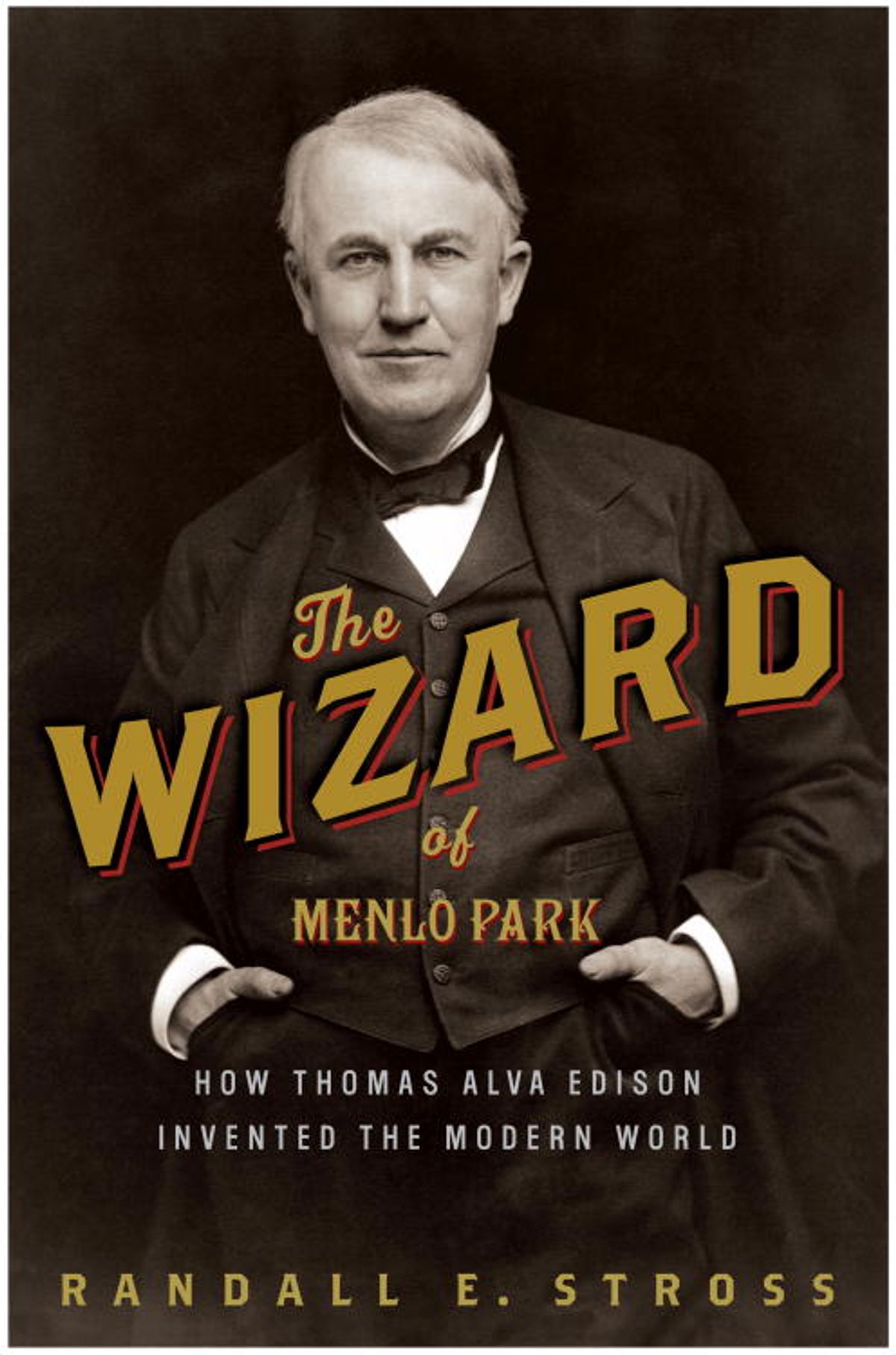
16. The Wizard of Menlo Park by Randall Stross
Best for: Understanding invention as a commercial activity.
The Wizard of Menlo Park examines Thomas Edison as an inventor, public figure, and entrepreneur.
Edison’s work demonstrates that invention isn’t simply about producing a new idea. You also have to develop, manufacture, distribute, and promote the result. I’d pair this with The Idea Factory. The comparison helps explain the relationship between individual creativity and organized innovation.
Lesson: Creating something new is different from building an organization that can bring it into widespread use.
17. The Book of Elon: A Guide to Purpose and Success by Eric Jorgenson

Best for: Examining Elon Musk’s ideas about engineering, ambition, work, and problem-solving.
Eric Jorgenson’s The Book of Elon was released in 2026. Unlike Ashlee Vance’s biography, it isn’t primarily a chronological account of Musk’s life.
Jorgenson collected and organized Musk’s public statements into a thematic guide examining purpose, engineering, first-principles thinking, organizations, and technological progress.
I’d read this alongside Vance’s biography rather than as a replacement. A biography provides context about decisions and consequences, while a curated collection reveals how someone explains their own ideas.
You need both perspectives. And you should remain critical of the difference between an entrepreneur’s public philosophy and how that philosophy works in practice.
Lesson: Study useful ideas without assuming that the person expressing them should become your model for every aspect of leadership.
What Business Biographies Teach You That Business Guides Often Miss
Looking across these stories, several patterns stand out. First, successful businesses rarely develop according to a clean plan. Founders encounter unexpected opportunities, financial pressure, changing markets, and difficult relationships. Second, innovation usually requires more than an original idea.
The Wright brothers needed experiments. Edison needed commercial systems. Bell Labs needed organizational resources. Amazon needed technology and operational discipline. Third, success creates responsibilities.
Rockefeller, Vanderbilt, Zemurray, Jobs, and Musk demonstrate in different ways that business achievements and personal character aren’t the same thing. You can learn from their accomplishments while challenging their decisions.
This is one reason I value biographies. They make entrepreneurship more human and remind you that the choices behind business success matter as much as the results.
Part 3: Books About Finding an Idea and Deciding What to Build
Historical examples are useful, but you also need practical methods for evaluating modern business opportunities. These five books address that challenge.
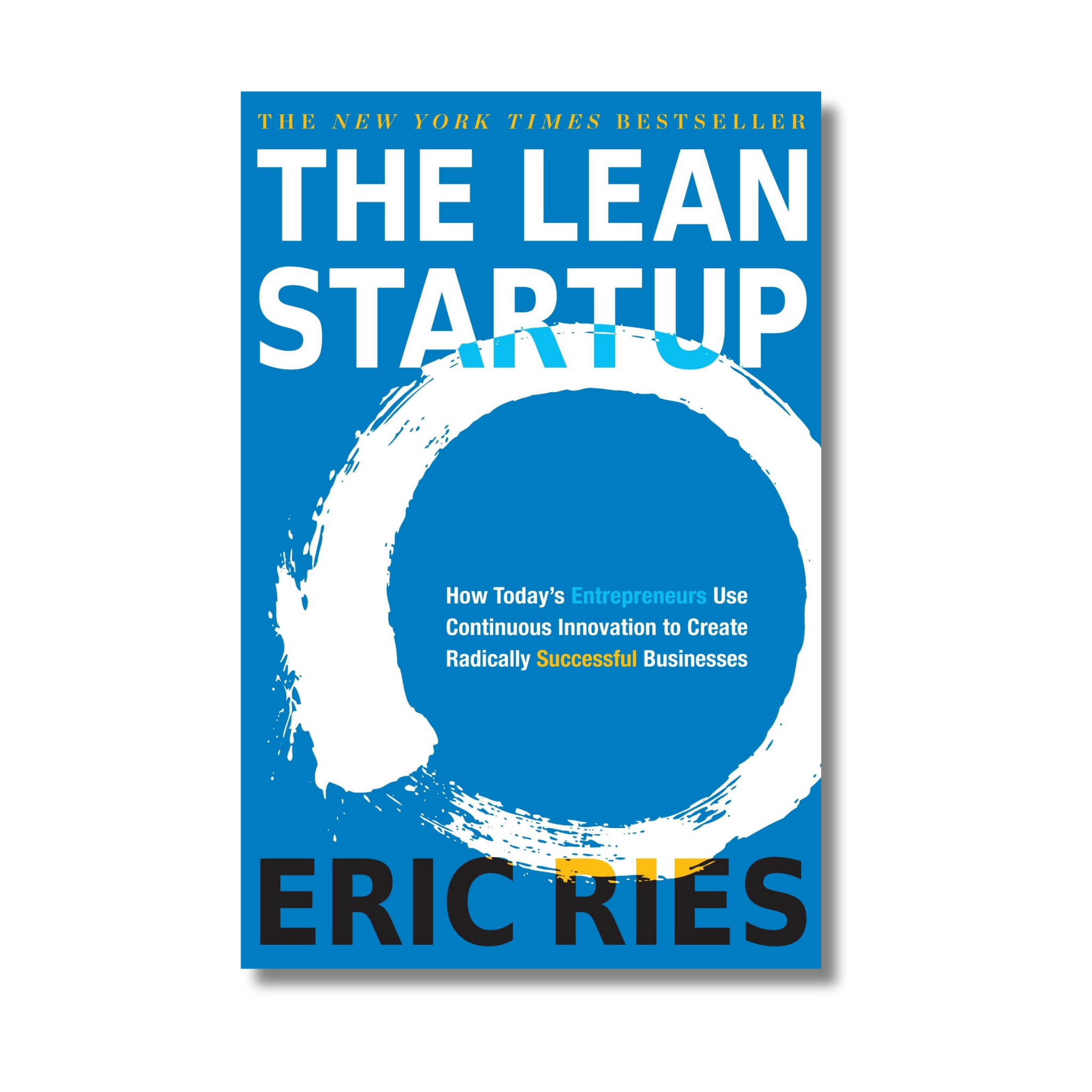
18. The Lean Startup by Eric Ries
Best for: Testing assumptions before investing heavily.
The Lean Startup introduces a process for building, measuring, and learning from experiments. The central idea is straightforward. Don’t spend months building something before learning whether customers actually want it. Test your assumptions early, gather evidence, and adjust based on what you discover.
This is particularly relevant when building software. But remember that not every valuable product can be validated through a quick experiment. Some opportunities require longer development cycles.
Apply it: Identify your biggest untested assumption and design the smallest reasonable experiment that could challenge it.
19. Zero to One by Peter Thiel with Blake Masters

Best for: Thinking about differentiation and creating new markets.
Zero to One argues that building something meaningfully different can be more valuable than competing in an existing market without a clear advantage. Thiel challenges entrepreneurs to consider what important opportunities others have overlooked.
But his arguments about competition, monopoly, and technological progress deserve scrutiny. Not every company needs to create a new category, and not every defensible market position benefits customers.
Apply it: Explain why your product should exist when customers already have alternatives.
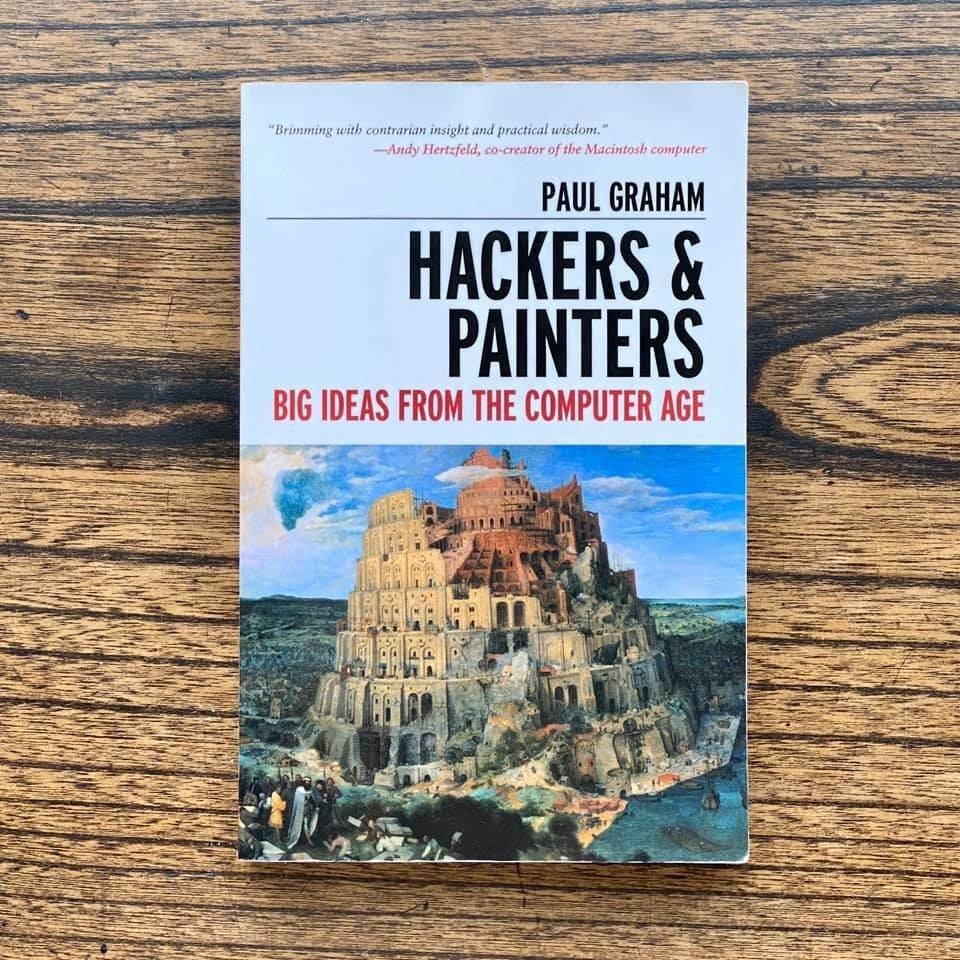
20. Hackers & Painters by Paul Graham
Best for: Independent thinking and understanding software entrepreneurship.
Hackers & Painters brings together essays about programming, creativity, startups, and intellectual independence. Graham’s perspective is useful because he treats software development as a creative discipline rather than merely a technical process. His ideas also invite entrepreneurs to question conventional assumptions.
Apply it: Identify one common belief in your industry that may be preventing you from seeing a better opportunity.
21. Idea to Traction by Rob Walling

Best for: Building a software product people will pay for.
Rob Walling’s Idea to Traction: Stop Building SaaS Nobody Wants in the Age of AI was released in November 2026. Its argument is especially relevant now that AI makes it easier to develop software.
Building a product has become faster for many founders. Finding a meaningful problem and convincing customers to pay for a solution remains difficult. That’s an important distinction for anyone developing AI-powered software.
Apply it: Spend as much time validating customer demand as you spend exploring the technology required to build your idea.
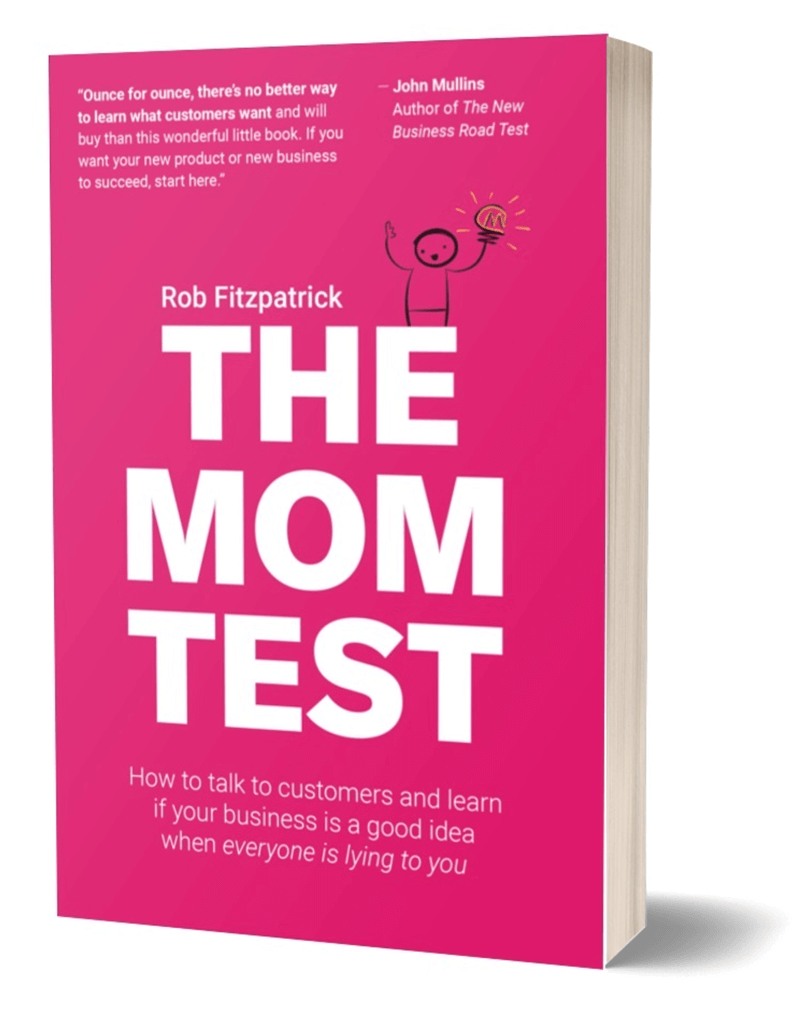
22. The Mom Test by Rob Fitzpatrick
Best for: Conducting better customer discovery conversations.
The Mom Test explains why asking people whether they like your business idea often produces misleading feedback. Instead, Fitzpatrick encourages entrepreneurs to investigate customers’ actual problems and past behavior.
That’s a useful discipline. People may genuinely like your idea but be unwilling to spend money to solve the underlying problem.
Apply it: Ask five potential customers to describe the last time they encountered the problem you’re trying to solve.
You can find a more complete process in my article on Customer Discovery Interviews.
Part 4: Books About Winning Customers and Building a Market
A good product doesn’t guarantee a good business. You also need to understand how to reach customers, communicate value, and build a repeatable growth engine. These books address different parts of that challenge.
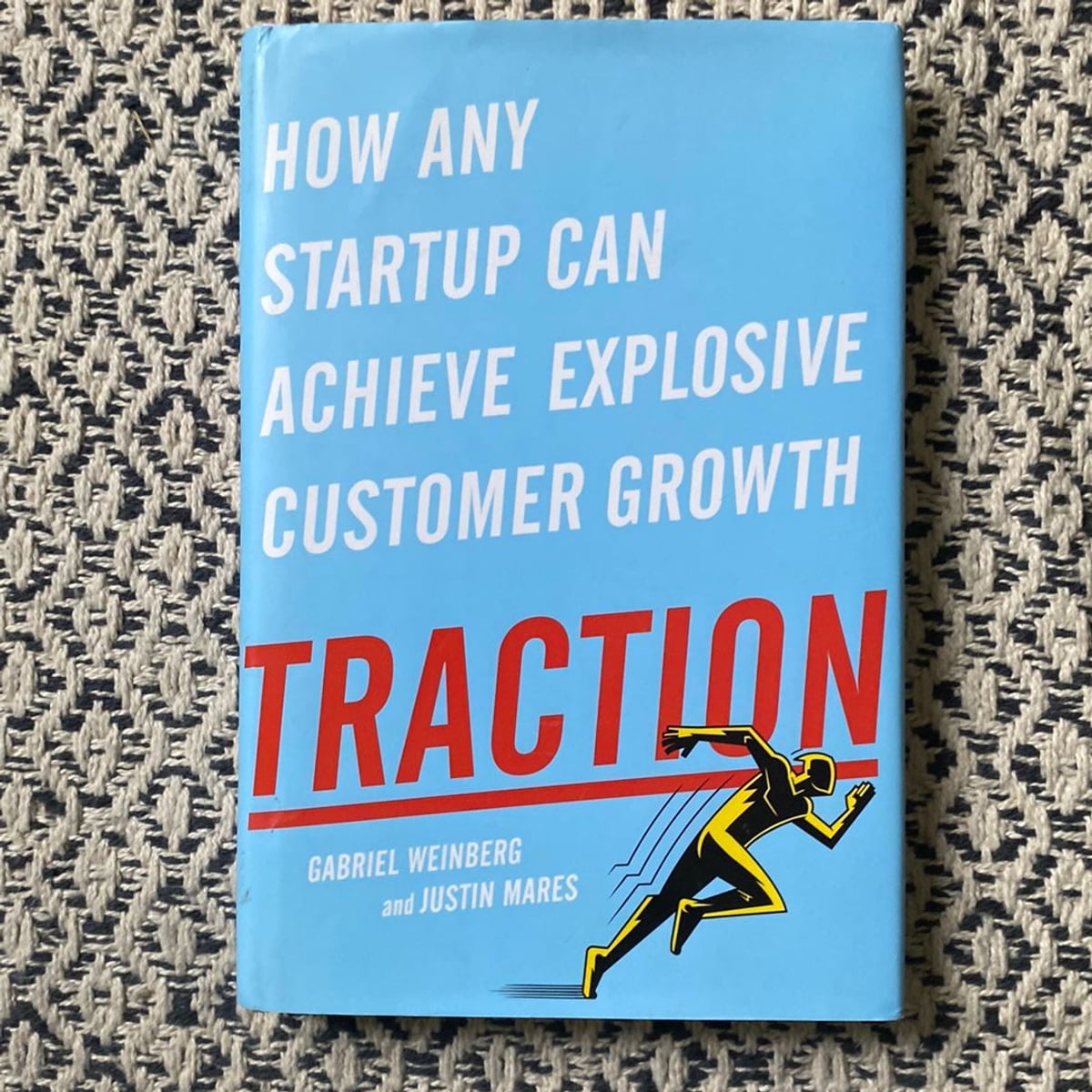
23. Traction by Gabriel Weinberg and Justin Mares
Best for: Finding effective customer acquisition channels.
Traction outlines a framework for exploring different ways to acquire customers. Its value is the emphasis on experimentation rather than assuming one channel will work for every business. The best acquisition strategy depends on your customers, business model, resources, and growth stage.
Apply it: Identify three promising customer acquisition channels and run focused tests rather than spreading your budget across everything.
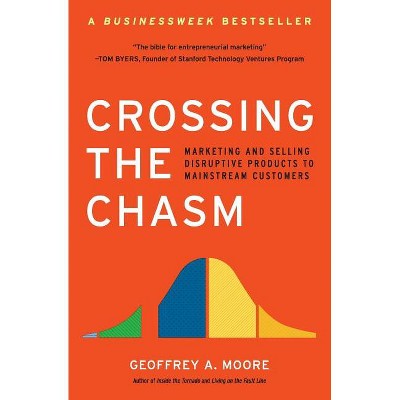
24. Crossing the Chasm by Geoffrey A. Moore
Best for: Moving beyond early adopters.
Crossing the Chasm explains why enthusiastic early customers don’t automatically lead to widespread market adoption. Early adopters may tolerate limitations that mainstream buyers won’t accept. You often need clearer positioning, better support, and a more complete solution before you can expand.
Apply it: Identify the differences between your earliest customers and the people you hope to serve next.
25. Purple Cow by Seth Godin
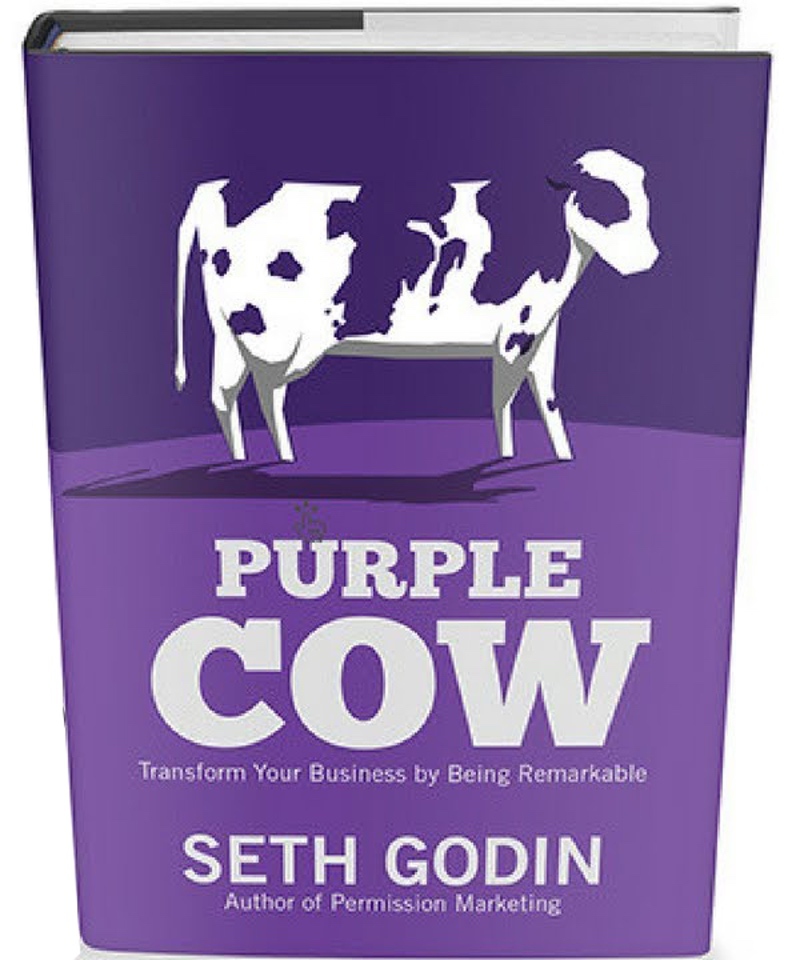
Best for: Understanding why products need to stand out.
Purple Cow challenges companies to create products worth noticing rather than relying entirely on advertising to attract attention. The idea isn’t simply to become unusual. It’s to give the right customers a meaningful reason to care.
Apply it: Ask what makes your product worth recommending to someone who hasn’t heard of your company.
26. Play Bigger by Al Ramadan, Dave Peterson, Christopher Lochhead, and Kevin Maney

Best for: Category design and positioning.
Play Bigger explores how companies can define the categories they compete in. Its ideas can help when you’re introducing a product customers don’t yet know how to evaluate.
But creating a category isn’t always necessary or realistic. Sometimes winning a focused share of an existing market is the wiser strategy.
Apply it: Explain how customers currently describe the problem you solve before deciding whether you need a new category.
27. The Cold Start Problem by Andrew Chen

Best for: Understanding network effects.
The Cold Start Problem examines why some products become more valuable as additional people participate.
Network effects can create substantial competitive advantages. But they also make it difficult to attract initial users when the product has little value without an existing network.
Apply it: Determine whether your product actually becomes more useful as adoption grows, or whether you’re simply describing ordinary business growth.
28. Never Split the Difference by Chris Voss with Tahl Raz

Best for: Improving negotiation and difficult conversations.
Never Split the Difference draws on Chris Voss’s experience as an FBI hostage negotiator. It emphasizes listening, understanding motivations, and communicating effectively under pressure.
Entrepreneurs negotiate with customers, employees, partners, and investors. Those conversations require more than persuasive speaking.
Apply it: In your next important negotiation, spend more time understanding what matters to the other person before presenting your preferred outcome.
Part 5: Books About Running a Company and Making Better Decisions
As your business grows, your responsibilities change. You spend less time developing every product feature or handling every customer interaction. Instead, you begin making decisions about people, systems, processes, financial resources, and long-term strategy. These books can help.
29. Built to Sell by John Warrillow
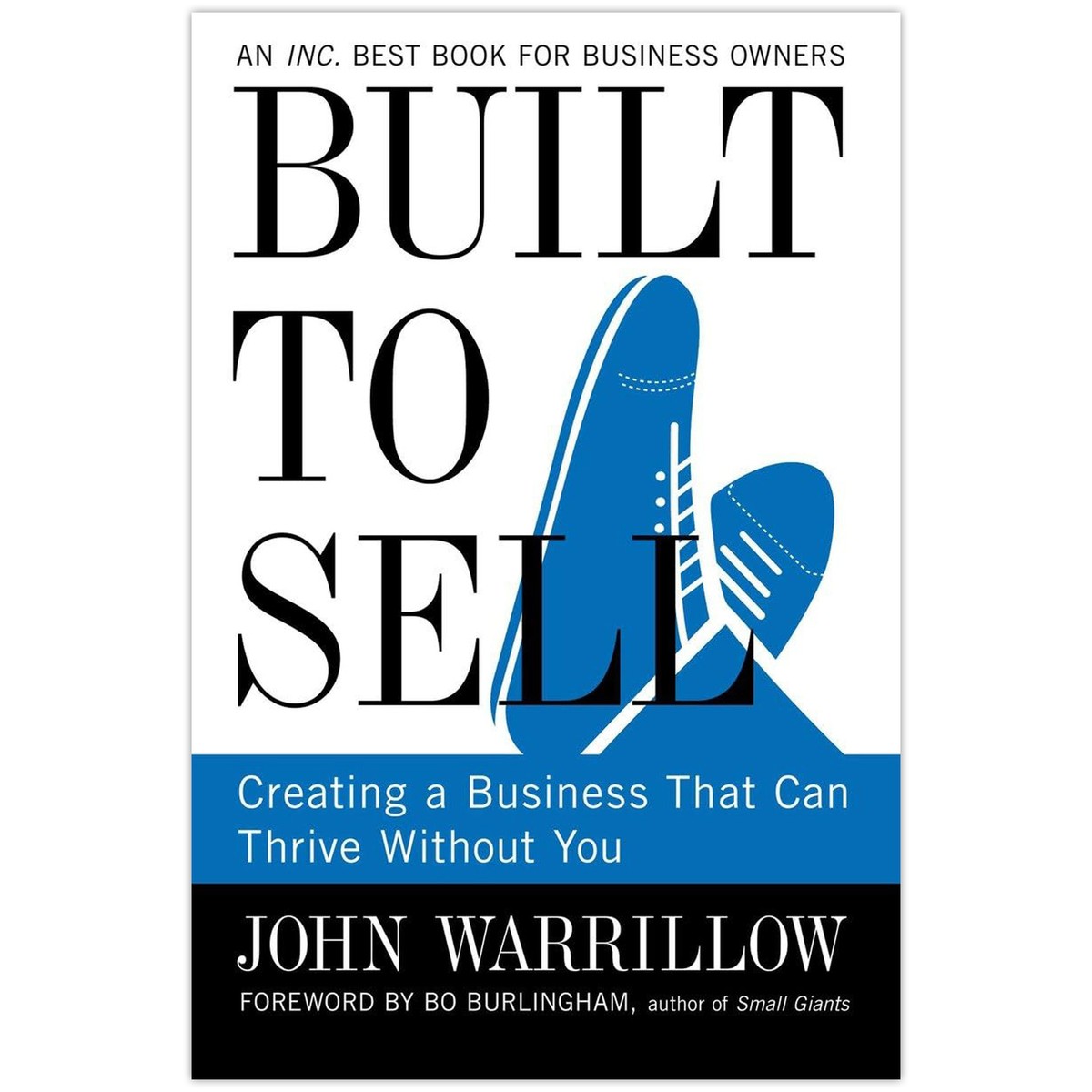
Best for: Building a company that doesn’t depend entirely on its founder.
Built to Sell uses a business story to explain why companies become difficult to grow or sell when every important task depends on the owner. The lesson applies even if you never intend to sell your company. You need repeatable services, clear processes, and responsibilities other people can manage.
Apply it: Identify one process that currently depends on you, and start documenting how someone else could do it.
30. The Hard Thing About Hard Things by Ben Horowitz
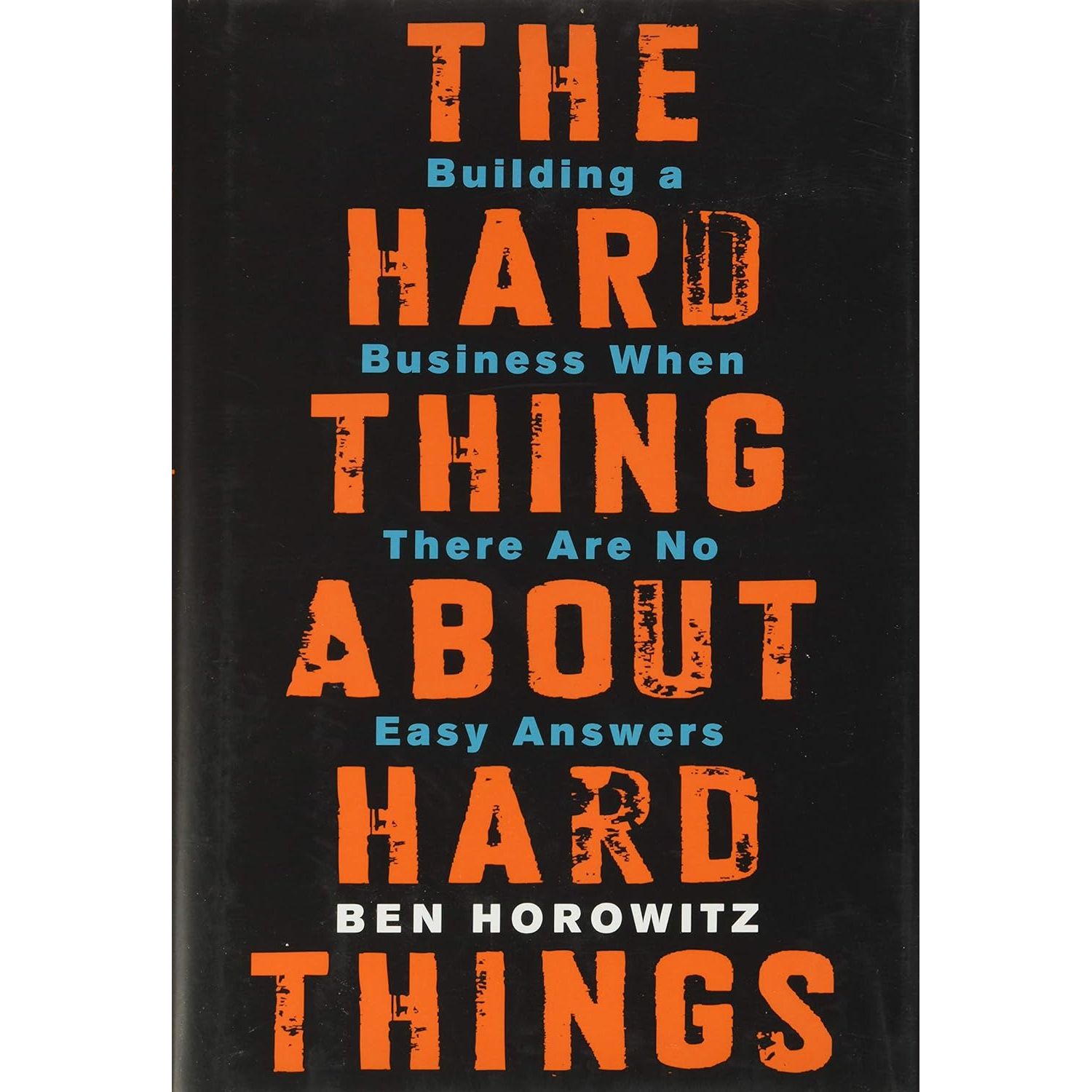
Best for: Making difficult leadership decisions.
The Hard Thing About Hard Things explores the challenges that founders face when their businesses encounter serious problems. Horowitz addresses layoffs, struggling teams, difficult executives, and decisions without obvious answers.
The book offers a useful contrast with Bad Blood. Strong leadership requires facing unpleasant realities. It doesn’t permit you to conceal them.
Apply it: Identify one important decision you’ve delayed and establish the evidence and timeline needed to make it responsibly.
31. A Beautiful Constraint by Adam Morgan and Mark Barden
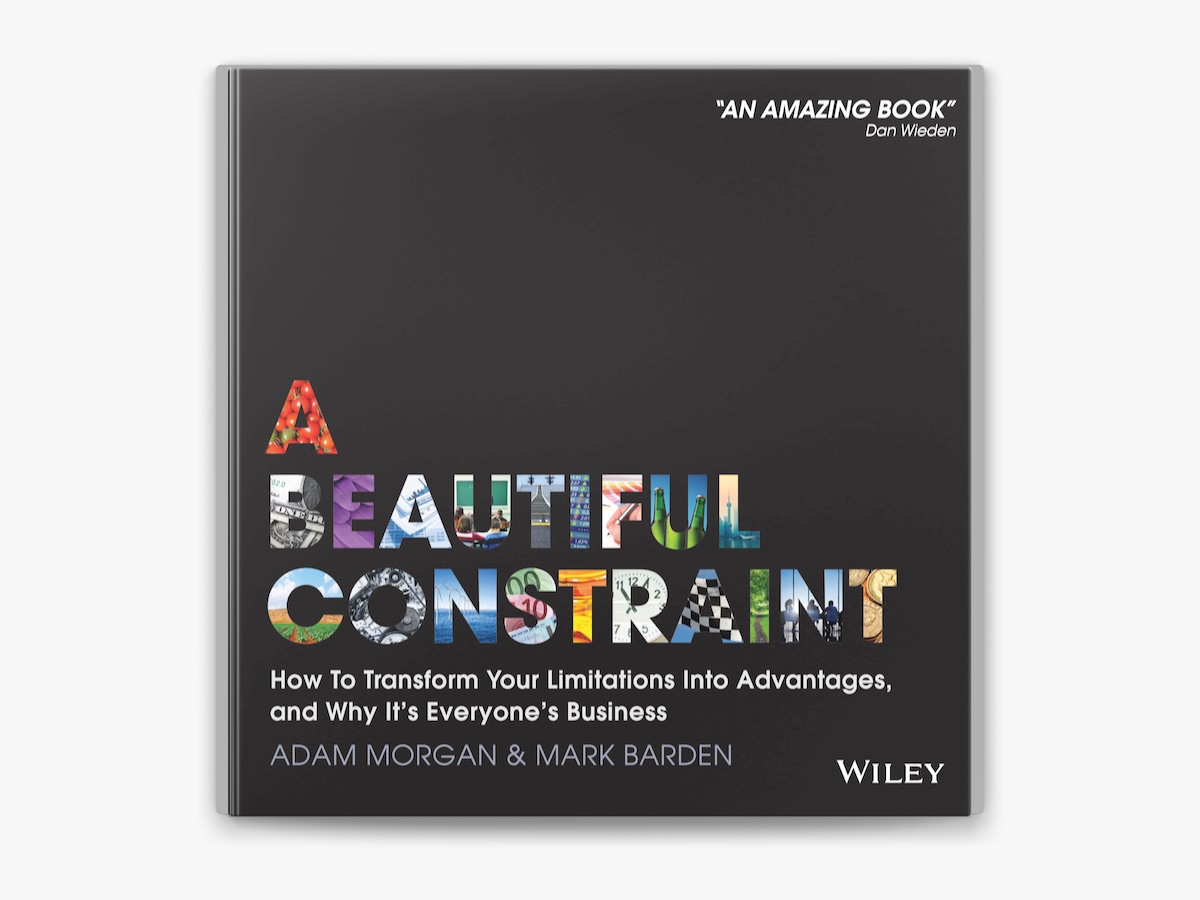
Best for: Finding opportunities within limited resources.
A Beautiful Constraint examines how restrictions can encourage creative problem-solving. Entrepreneurs rarely possess unlimited time, money, or talent. Those limitations can force you to identify what matters most and develop unconventional solutions.
But constraints aren’t automatically beneficial. Sometimes a shortage of resources genuinely prevents progress.
Apply it: Choose one important limitation and ask how you could change your approach rather than simply wishing the limitation would disappear.
32. 7 Powers by Hamilton Helmer

Best for: Understanding sustainable competitive advantage.
7 Powers offers a framework for examining why certain businesses can maintain attractive economic returns over time. It explores advantages such as economies of scale, switching costs, network economies, and other competitive forces.
This is a useful complement to books focused primarily on product development. A successful launch doesn’t automatically produce a durable company.
Apply it: Identify what might make your business difficult to replace as competitors enter your market.
33. Thinking in Bets by Annie Duke
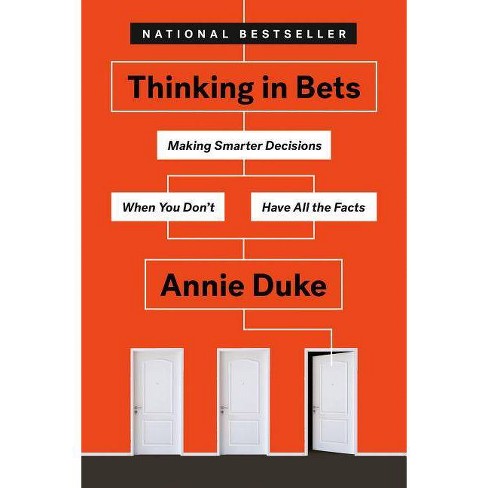
Best for: Making decisions when the outcome is uncertain.
Thinking in Bets explains why good decisions can produce disappointing outcomes and bad decisions can sometimes produce favorable ones. That’s especially useful for entrepreneurs. You frequently make decisions without knowing everything that will happen, so you shouldn’t judge every choice solely by its final result.
Apply it: Record the reasoning behind one major decision before you know the outcome. Review it later to identify what you understood correctly and what you missed.
34. Turn the Ship Around! by L. David Marquet

Best for: Developing leaders rather than creating dependence.
Turn the Ship Around! describes Marquet’s leadership experience aboard a U.S. Navy submarine. The book challenges command structures in which every important decision depends on one leader. Instead, Marquet emphasizes developing competence and responsibility throughout an organization.
For entrepreneurs, that’s an important transition. You can’t build a capable company if everyone constantly waits for you to provide instructions.
Apply it: Identify one recurring decision that a qualified employee could own instead of bringing to you.
35. Good Strategy/Bad Strategy by Richard Rumelt
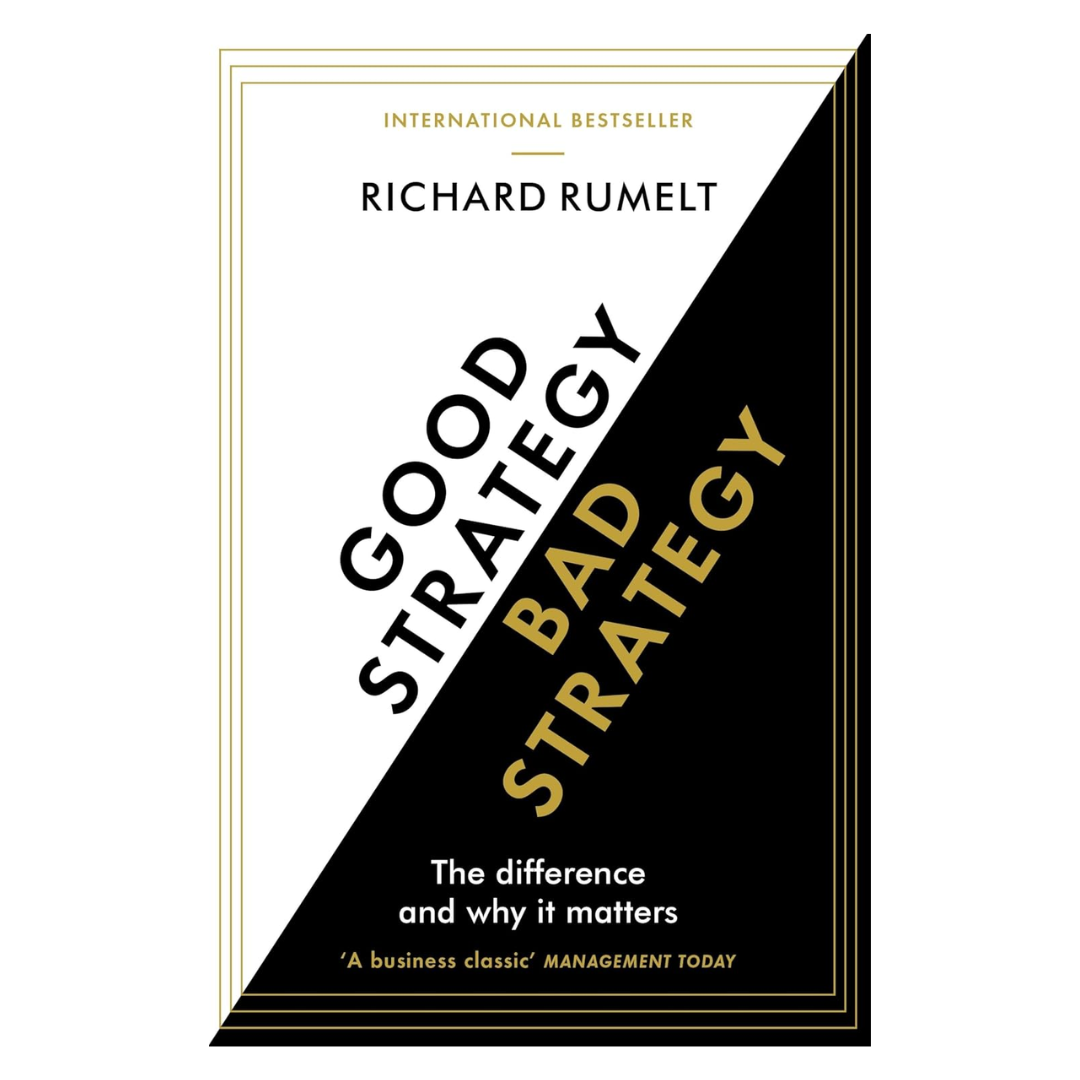
Best for: Distinguishing meaningful strategy from vague goals.
Good Strategy/Bad Strategy explains that effective strategy begins by identifying an important challenge. Rumelt argues that goals alone don’t explain how an organization will succeed. You need a diagnosis, a guiding approach, and actions that reinforce one another.
This is particularly useful when a growing business has more opportunities than resources.
Apply it: Write down your company’s most important challenge and identify which activities directly help you address it.
36. The E-Myth Revisited by Michael E. Gerber

Best for: Building repeatable business operations.
The E-Myth Revisited explores why being good at a particular skill doesn’t automatically make someone good at operating a company. A talented marketer may struggle to build a marketing agency. An excellent contractor may struggle to manage employees and finances.
Those are different responsibilities. Gerber encourages entrepreneurs to develop systems that enable consistent execution.
Apply it: Document one routine process that would become difficult if you were unavailable for two weeks.
37. The Founder’s Dilemmas by Noam Wasserman
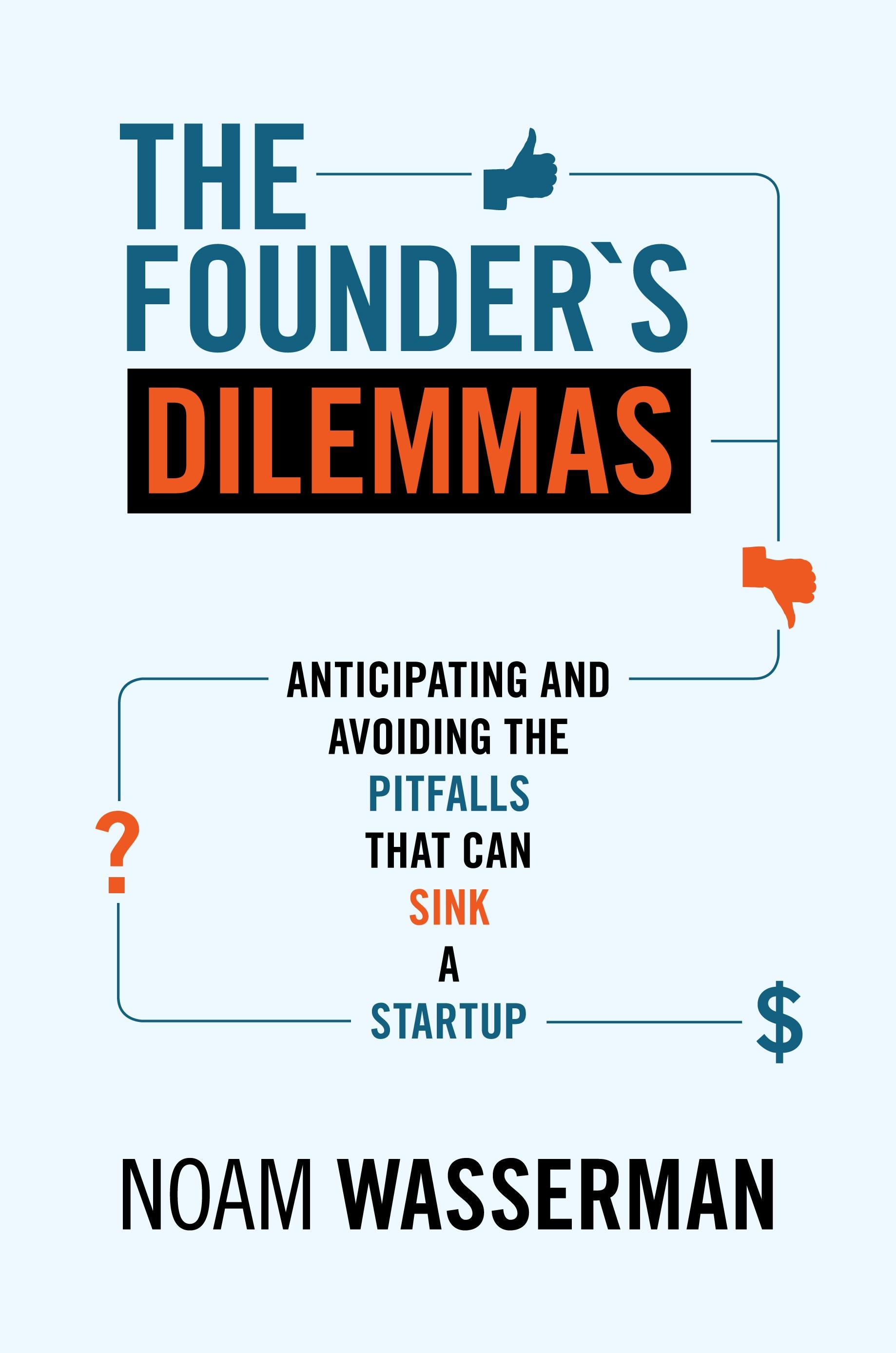
Best for: Making decisions about cofounders, equity, investors, and control.
The Founder’s Dilemmas examines the consequential decisions entrepreneurs make during the early stages of company formation. Should you bring in a cofounder? How should you divide ownership? When should you raise capital?
These decisions influence financial returns, control, relationships, and the company's direction.
Apply it: Define what you want from building your business before making major ownership or financing commitments.
38. High Output Management by Andrew S. Grove

Best for: Managing people and improving organizational performance.
High Output Management draws on Andrew Grove’s experience at Intel. It explores management practices such as training, meetings, performance measurement, and organizational coordination.
The book is valuable because it treats management as work you can study and improve. You don’t need to rely entirely on instinct.
Apply it: Review your recurring team meetings and remove those that don’t support decisions, development, or meaningful coordination.
39. Working Backward by Colin Bryar and Bill Carr
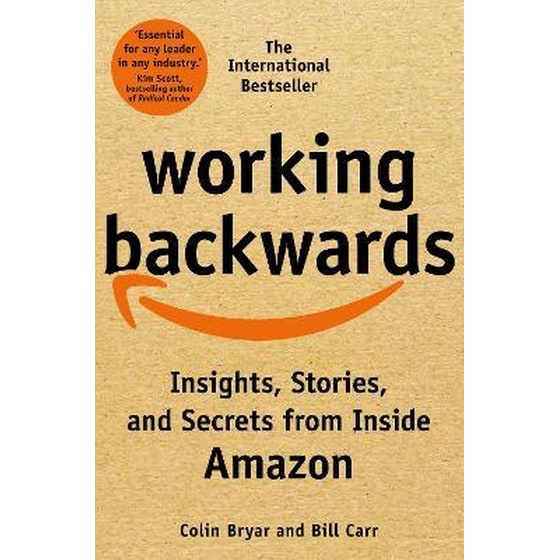
Best for: Building disciplined operating systems.
Working Backwards examines practices developed at Amazon. The authors explain processes for customer-focused decision-making, written communication, hiring, and organizational execution.
Not every system a large company uses belongs in a startup. But the broader principle matters. You need processes that let people make consistent decisions without relying entirely on a founder’s judgment.
Apply it: Before developing a major feature, write a short explanation of the customer problem, desired outcome, and evidence supporting the investment.
Part 6: Money, Technology, and the Purpose of Business
The final three books address questions that extend beyond tactics. They help you consider how you make decisions, use technology, and define success.
40. The Psychology of Money by Morgan Housel
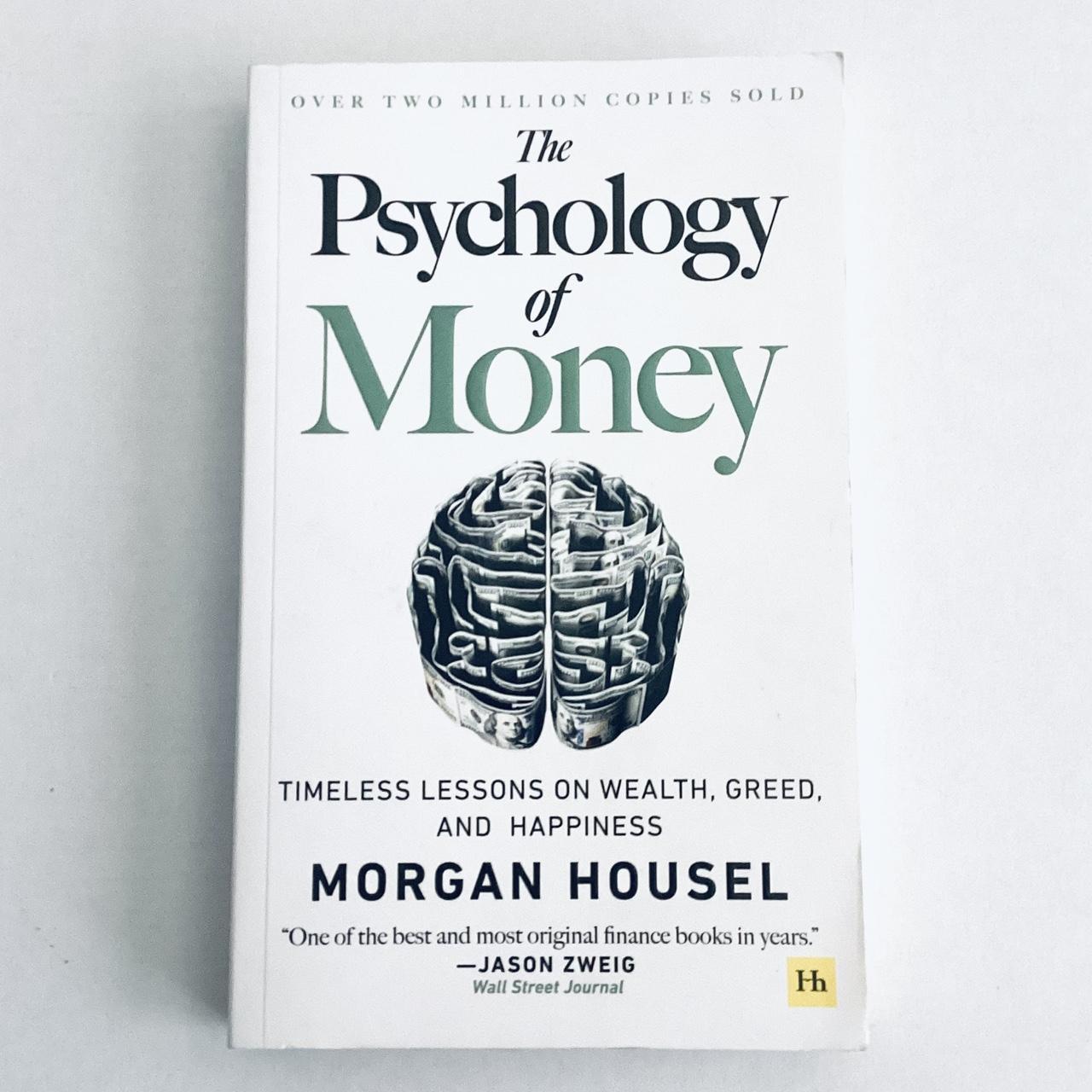
Best for: Understanding financial behavior and risk.
The Psychology of Money examines how personal experience, fear, ambition, and expectations shape financial choices.
Entrepreneurs make money decisions under considerable uncertainty. Your financial responsibilities, risk tolerance, and definition of success shape how you evaluate those decisions.
Apply it: Determine how much financial risk you can responsibly accept before committing additional resources to your company.
41. Co-Intelligence by Ethan Mollick
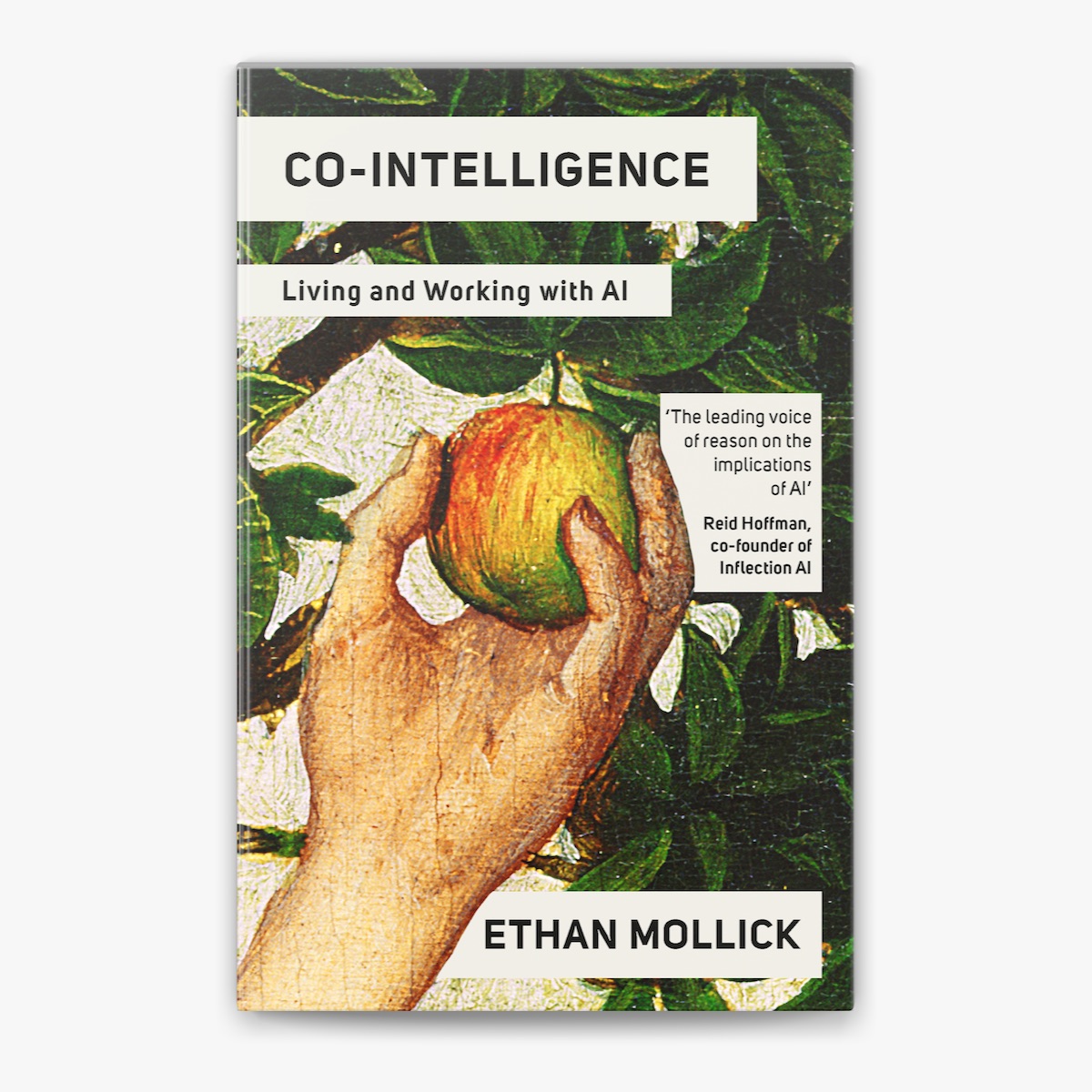
Best for: Learning how to use AI without abandoning human judgment.
Co-Intelligence explores how people can work alongside artificial intelligence. The book encourages experimentation while recognizing AI systems' limitations.
This is increasingly relevant to entrepreneurs who can use AI to research markets, create software, prepare content, and automate workflows.
But the central business questions remain human. Which problems should you solve? What matters to your customers? Which responsibilities can you delegate safely?
Apply it: Choose one business process to improve with AI, then measure whether the complete workflow produces better results.
42. Every Good Endeavor by Timothy Keller and Katherine Leary Alsdorf
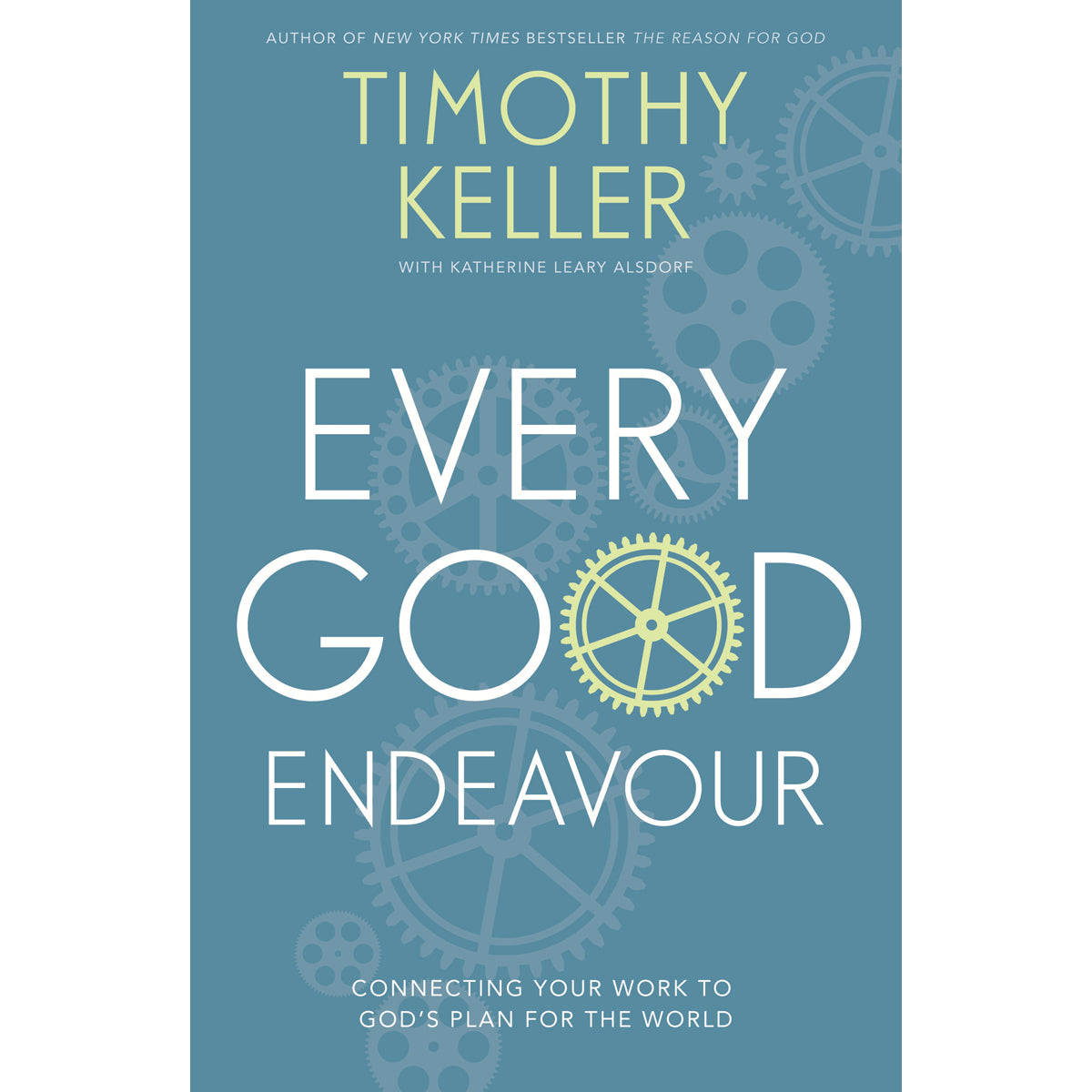
Best for: Understanding the purpose of work and business.
Every Good Endeavor explores how a Christian understanding of work can shape our ambitions, responsibilities, and relationships.
Keller and Alsdorf present work as part of God’s good purposes for human life. They also examine how professional achievement can become distorted when people make it the foundation of their identity.
For entrepreneurs, that’s a particularly important warning. Building a company can be deeply rewarding, but it can't provide everything you need for a meaningful life.
Apply it: Write down why you’re building your business, then consider whether your use of time, approach to money, and treatment of people reflect those priorities.
How to Read Business Biographies Without Turning Entrepreneurs Into Heroes
There’s something I want to emphasize about this list. I don’t believe you should read biographies to imitate successful people.
That’s a common mistake. You read about a founder who worked extraordinary hours, challenged every convention, or treated competitors aggressively. Then you assume those habits explain the company’s success.
Sometimes they contributed. Sometimes the company succeeded despite them. And sometimes those habits caused serious harm. Consider Rockefeller.
His business discipline helped transform an industry, but Standard Oil's concentration of power raised legitimate concerns about competition and fairness. Or consider Steve Jobs.
His product vision helped shape modern technology. But that doesn’t mean every aspect of his leadership deserves admiration. The same distinction applies to Elon Musk, Jeff Bezos, and other prominent entrepreneurs.
You should separate four things:
- The problem they recognized. What opportunity did they see that others overlooked?
- The decisions they made. How did they organize resources, develop products, and compete?
- The circumstances that helped them. What role did timing, capital, relationships, regulation, and luck play?
- The consequences of their actions. Who benefited, who bore the costs, and what ethical questions remain?
That fourth question matters. The Bible offers a more demanding understanding of work than merely achieving impressive results. For more on these principles, see my article on Bible Verses About Entrepreneurship.
Genesis 2:15 presents work as part of humanity’s original responsibilities. Proverbs repeatedly addresses honesty, diligence, justice, and how we treat others. Those teachings don’t provide a specific business model. They do challenge us to evaluate success in a broader moral context.
You can learn valuable lessons from entrepreneurs whose beliefs differ from yours. But learning from someone doesn’t require adopting their entire philosophy. Study what made their businesses successful. Examine what their decisions cost. Then decide which principles deserve a place in your own life.
Which Entrepreneurship Book Should You Read First?
I’d begin with the problem you’re trying to solve. If you’re considering starting a company, begin with The Mom Test and The Lean Startup. If you’re evaluating customer acquisition, read Traction. If you’re struggling to develop a clear strategy, consider Good Strategy/Bad Strategy.
If your company depends too heavily on you, start with Built to Sell or The E-Myth Revisited. And if you’re facing difficult leadership decisions, spend time with The Hard Thing About Hard Things.
If you want to understand better the people and circumstances that shaped successful businesses, begin with Shoe Dog, The Wright Brothers, Titan, or The Everything Store. Those biographies offer valuable perspectives on uncertainty, innovation, competition, and the responsibilities that come with ambition.
You don’t need to follow a rigid reading order. Choose what is most relevant to your situation.
How to Remember and Apply What You Read
I’ve written extensively about reading, including in Read to Lead. One conviction still shapes my approach. The value of reading isn’t measured only by the number of books you finish. It’s also measured by what you understand, remember, and apply.
That matters when you’re reading for professional development. For ideas on making more room for books, see How to Read More Books. You can complete dozens of business books and still fail to improve how you lead or make decisions. I’d encourage you to use a simple four-step process.
1. Begin With a Question
Before opening a book, identify what you want to learn. Maybe you’re struggling with customer retention, managing employees, raising capital, or deciding whether to change your business model. Write down your question, then read with that challenge in mind.
2. Capture Three Useful Ideas
As you read, look for ideas that challenge your assumptions. Don’t highlight everything. Identify the principles that matter most and summarize them in your own words. Use a notebook, notecards, or a digital system.
The method matters less than whether it helps you engage with the material.
3. Choose One Action
After finishing a book, identify one thing you’ll do differently. Maybe you’ll improve your customer interview questions, reconsider a financial decision, or establish a clearer process for your team. Make the action specific enough to evaluate.
4. Return to the Book When the Problem Returns
This is why I believe good books are worth rereading. A book about leadership may mean something entirely different after you’ve hired your first employees. A book about startup financing may become more valuable when you’re actually considering investors.
And a biography you read early in your career may reveal new lessons once you’ve experienced the pressures of making difficult decisions yourself. Don’t treat your bookshelf as a collection of completed assignments. Treat it as a library of useful ideas.
I’ve shared related approaches in How to Learn Fast and my Notebook Organization System.
Frequently Asked Questions About the Best Books for Entrepreneurs
What are the best books for someone starting a business?
The Mom Test, The Lean Startup, and Idea to Traction help you identify customer problems and validate business ideas. To understand the experience of building a company, start with Shoe Dog or Lost and Founder.
What are the best entrepreneur biographies?
Several excellent choices include Shoe Dog, Titan, The Wright Brothers, Steve Jobs, Ashlee Vance’s Elon Musk, and The Everything Store. Each examines a different combination of innovation, competition, leadership, and risk.
Are biographies useful for entrepreneurs?
Yes. Biographies provide historical context that practical business books sometimes overlook. They help you understand how founders make decisions, navigate uncertainty, use resources, and respond to changing circumstances. However, you should evaluate their decisions critically rather than imitate them without question.
What books should entrepreneurs read about marketing?
Start with Traction, Crossing the Chasm, Purple Cow, and Play Bigger. For a broader collection, see my guide to the Best Marketing Books.
What books should entrepreneurs read about leadership?
High Output Management, The Hard Thing About Hard Things, Trillion Dollar Coach, and Turn the Ship Around! explore different aspects of management and leadership.
Should entrepreneurs reread business books?
Yes, when the material becomes relevant to a new challenge. A second reading can help you notice ideas you previously overlooked or understand principles differently as your experience changes.
How many books should an entrepreneur read each year?
There’s no ideal number. Reading five useful books and applying their lessons may provide more value than reading fifty without changing your decisions. The goal isn’t to finish as many books as possible. It’s to become a more capable thinker, builder, and leader.
Read to Build Something Better
Entrepreneurship requires constant learning. You need to understand customers, evaluate opportunities, manage money, lead people, and adapt when circumstances change. Books can help.
They allow you to examine decisions made by people you may never meet and study businesses that developed long before your own. Some of the most valuable lessons come from practical guides. Others come from biographies. I think you need both.
Read books that explain how to build. Read histories that show what happened when people tried. Study success, but pay attention to failure and the consequences of ambition.
Learn from people whose convictions differ from yours. And don’t confuse reading about entrepreneurship with actually doing the work. No author understands every detail of your business. No framework eliminates risk. No biography can make your decisions for you.
That’s your responsibility. So choose a book that addresses a problem you’re facing. Read it carefully, think about the ideas, and put something into practice.
Then return to the books worth rereading as your experience grows. The best books for entrepreneurs aren’t simply the ones you finish. They’re the ones that help you build, lead, and live with greater wisdom.


You may also like




Sign up for our newsletter
Fresh news, the best e-books and many more

An error has occurred somewhere and it is not possible to submit the form. Please try again later or contact us.

